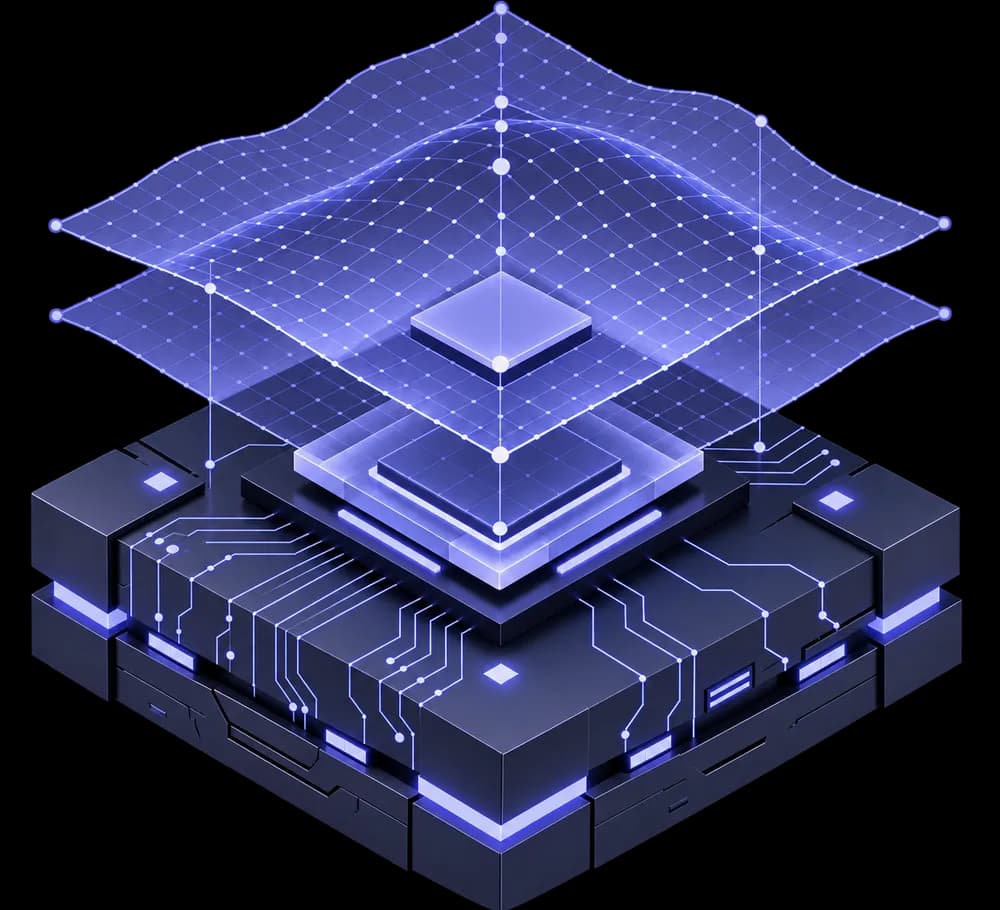
Edge Computing
Processing data on the device or gateway itself instead of sending everything to the cloud first, which matters when latency, bandwidth, or connectivity reliability makes a round trip to the cloud genuinely impractical.
A sensor that reports data nobody looks at isn't an IoT system, it's an expensive way to generate logs. Akoode is an IoT development company that builds the whole chain, devices, connectivity, cloud platform, and the analytics layer that actually turns raw telemetry into a decision someone acts on. We treat IoT as infrastructure your business runs on for years, not a pilot project that quietly stalls after the demo.
Getting a sensor to send data is the easy 10 percent. The other 90 percent, reliable connectivity, a platform that scales, and analytics someone actually trusts, is where most IoT initiatives quietly die.
A handful of sensors on one line, one building, and it works.
Devices drop connectivity in the real environment.
Cloud architecture wasn’t built for the actual device count
Dashboard isn’t trusted, so nobody uses it.
Akoode is not a hardware vendor who ships you a device and calls it done. We are an IoT development company that owns the full stack, sensors through cloud through the dashboard someone opens every morning, so the system actually gets used.
Here's the pattern behind most IoT engagements we take on. A business runs a pilot, a handful of sensors on one production line, one delivery route, one building, and it works. Then scaling it past the pilot exposes everything the pilot never tested: devices that drop connectivity in the real environment, a cloud architecture that wasn't designed for the actual device count, and a dashboard nobody in operations actually opens because the data on it isn't trustworthy enough to act on.
The businesses getting real value from IoT in 2026 aren't the ones with the most sensors. They're the ones who treated connectivity, data pipeline, and analytics as one connected system from the start instead of three separate vendor conversations. A predictive maintenance model is only as good as the sensor data feeding it, and a sensor network is only worth building if something downstream actually acts on what it reports. Skip that connection and you've built an expensive way to confirm equipment already broke.
Every engagement gets scoped against a measurable outcome: less downtime, faster response to a real-world event, lower operating cost, or visibility into something that used to be invisible until it broke.
Getting a sensor online is the easy part. The capabilities below are what decide whether the deployment still works reliably a year and a thousand more devices later.
These get treated as the same conversation and they're not. Starting with the wrong scope is the most common reason an IoT initiative either never leaves the pilot stage or gets built for a scale you don't actually need yet.
Pilot Deployment Validating a specific use case before committing real budget Weeks to a couple months Built too narrow to reveal real scaling problems, false confidence going into rollout |
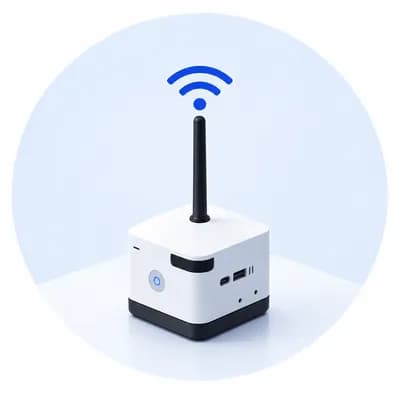
One facility, fleet, or location where the use case is already proven
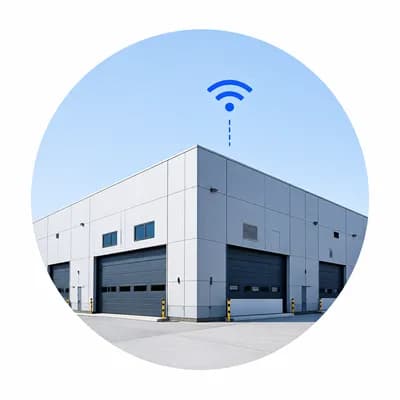
Multi-site or enterprise-wide deployment with device counts in the hundreds or thousands
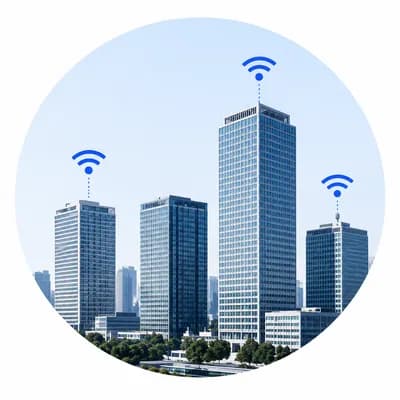
If you're still validating whether the use case even works, a pilot is the right scope, and we'll build it to actually reveal scaling problems, not just prove the happy path. If the use case is already proven and you're ready to commit, jumping straight to full-scale platform architecture saves you from rebuilding what a pilot-scoped system can't carry.
Sometimes the use case is already obvious and proven elsewhere in your industry, and running another pilot just delays a decision that's already been made. If that's genuinely where you are, we'll scope straight to a real deployment instead of selling you a proof of concept you don't need.
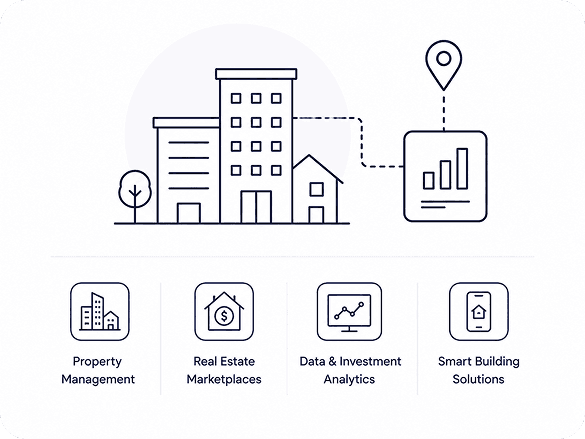
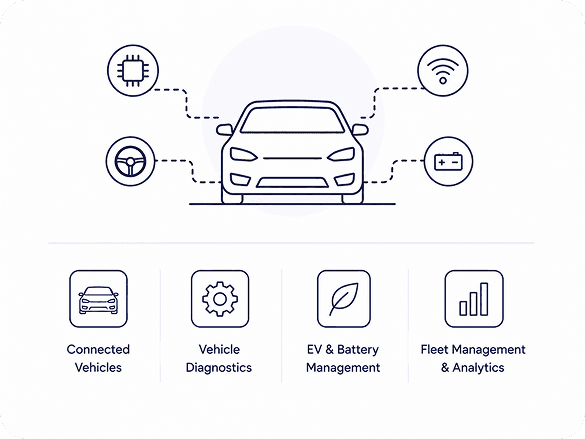
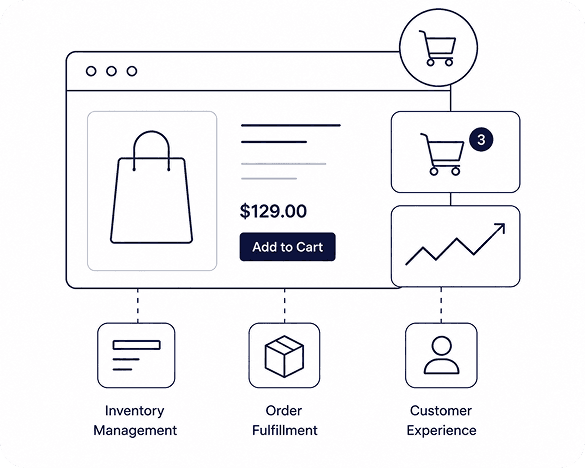
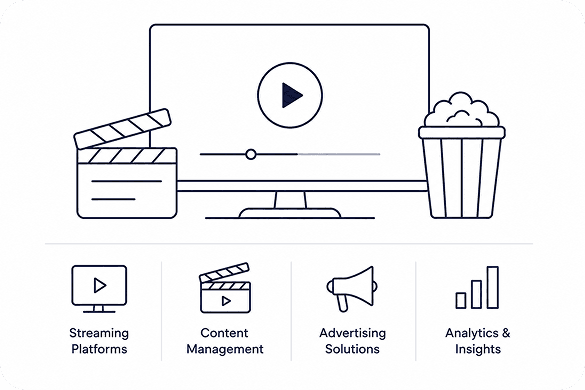
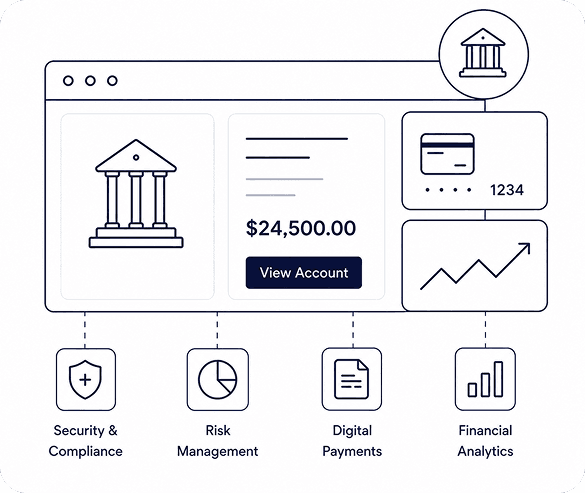
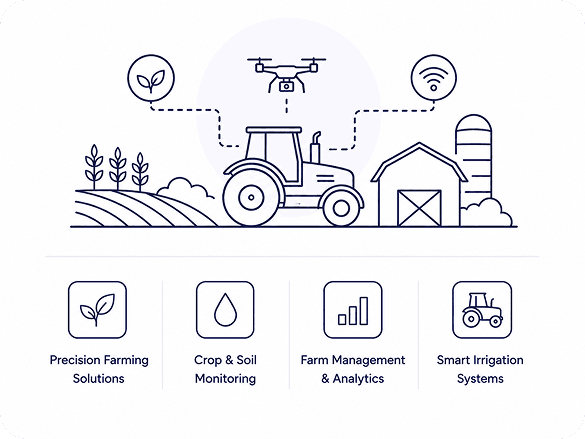
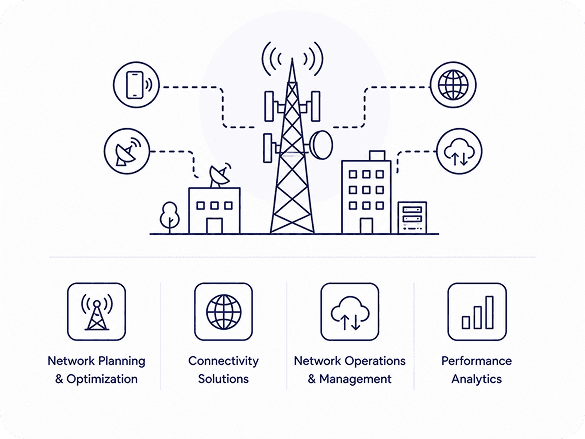
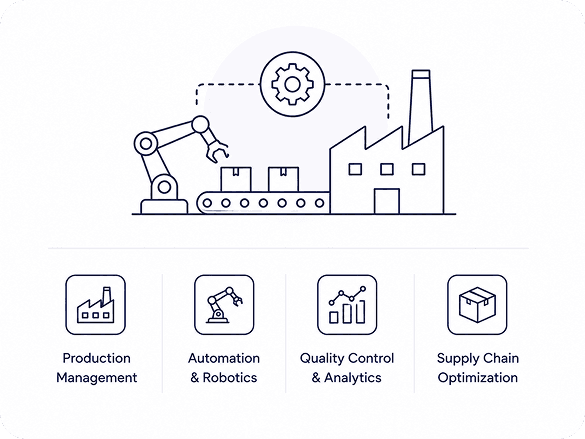
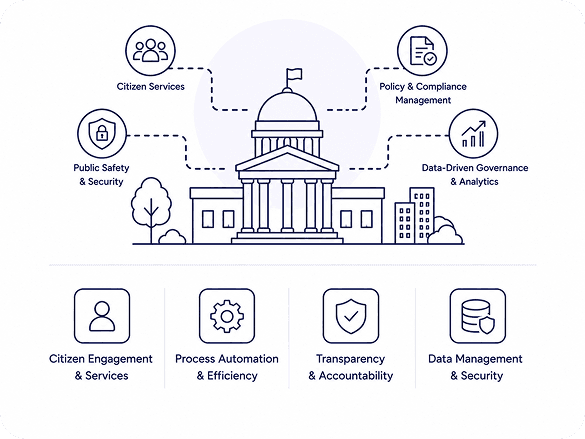
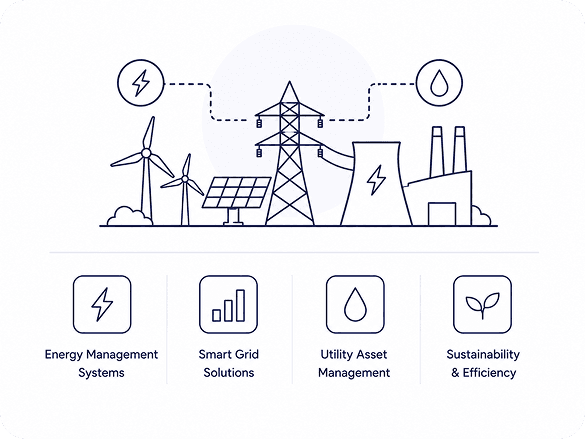
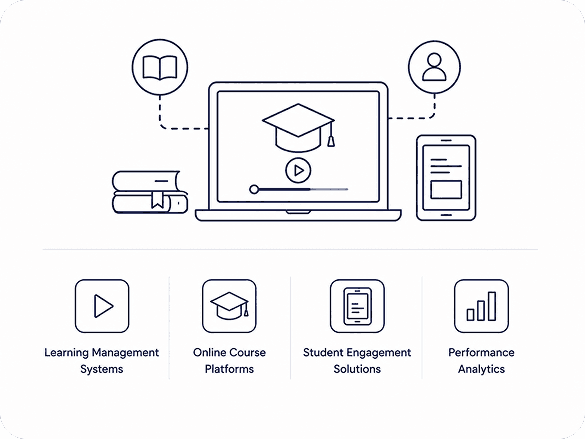
A sensor network that works for a manufacturing floor and one that works for a healthcare facility solve genuinely different problems, different data sensitivity, different failure tolerance, different regulatory weight. Here's how our IoT work shows up across the 15 industries we serve.
Technology choices in mobile development have long-term consequences. A framework chosen for short-term development speed can become a liability when the platform releases a major update, when the team scales, or when the product needs capabilities the framework was not designed for. We select the stack based on your product requirements, your timeline, and where this application needs to be in three years, not just at launch.
 React
 Angular
 Next.js
 TypeScript
 Node.js
 Python
 Django
 Express.js
 AWS
 Microsoft Azure
 Go
 TensorFlow
 LangChain
 LlamaIndex
 Docker
 KubernetesAWS
On the page directly, rather than left for a sales call, because cost and timeline are usually the two questions that decide whether a shortlist conversation even starts.
Different use cases. Different complexities. These are the key factors that influence the overall investment.
A ten-sensor pilot costs meaningfully less than a thousand-device industrial deployment.
A controlled indoor facility is a simpler connectivity problem than a remote field site or a moving fleet.
Basic monitoring dashboards cost less than predictive maintenance models trained on real failure history.
Healthcare and industrial deployments carry real engineering time that a simple monitoring pilot doesn't need.
Timelines vary by scope, device count, and complexity but here's a realistic view.
Validate. Learn. De-risk.
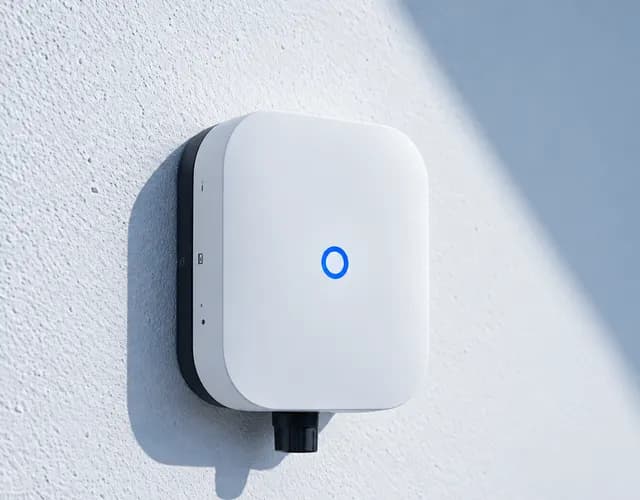
A focused pilot deployment typically takes four to eight weeks from scoping to working system
Deploy. Optimise. Scale locally.
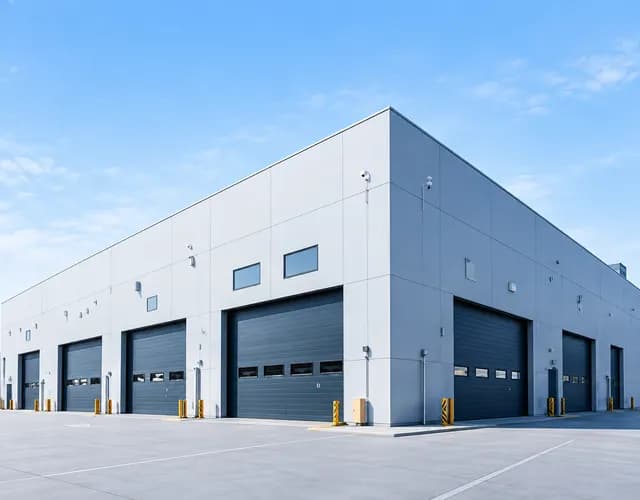
A single-site production deployment usually runs three to six months, depending on device count and how much custom analytics work is involved.
Scale. Integrate. Drive impact.

A full-scale, multi-site platform is a longer engagement, often six months to a year, and we'll say so upfront rather than quote a pilot timeline for platform-scale work.
Every project we take on is a business problem before it is a technical one. Here is a snapshot of how we have helped businesses across industries build software that made a measurable difference.
Key Outcomes
150+
Verified Properties Listed
100+
Successful Closures
Challenge
What We Built
Plenty of vendors can ship you a sensor kit. Choosing an IoT development partner is really a decision about who's accountable when that pilot needs to become a real, thousand-device deployment that actually holds up.

Discuss your software vision, AI roadmap, and delivery strategy with the team leading product engineering at Akoode.
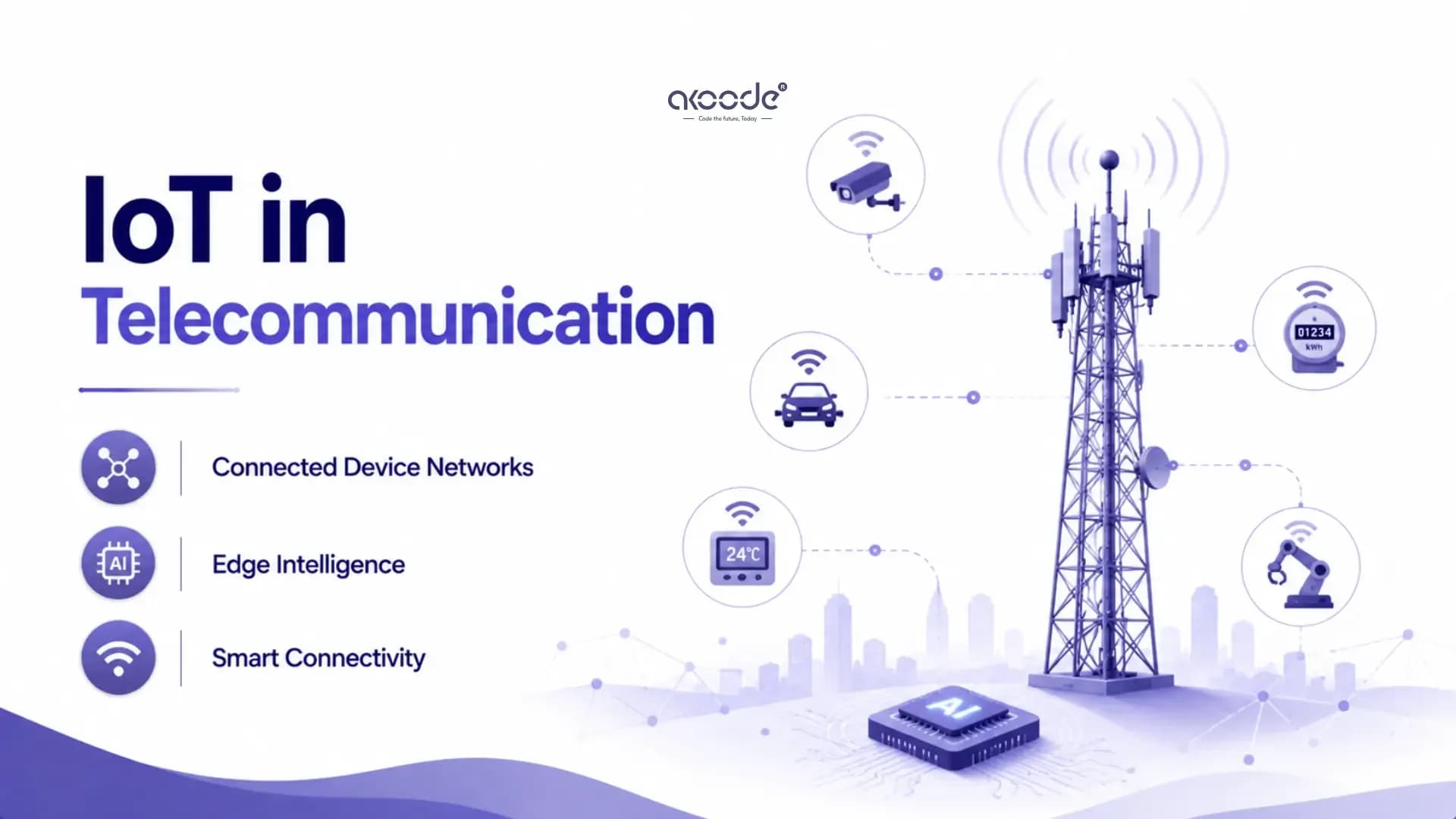
 Jun 19, 2026
How IoT is reshaping telecommunication in 2026. Communication modules, 5G connectivity protocols, real network use cases, and what operators are...
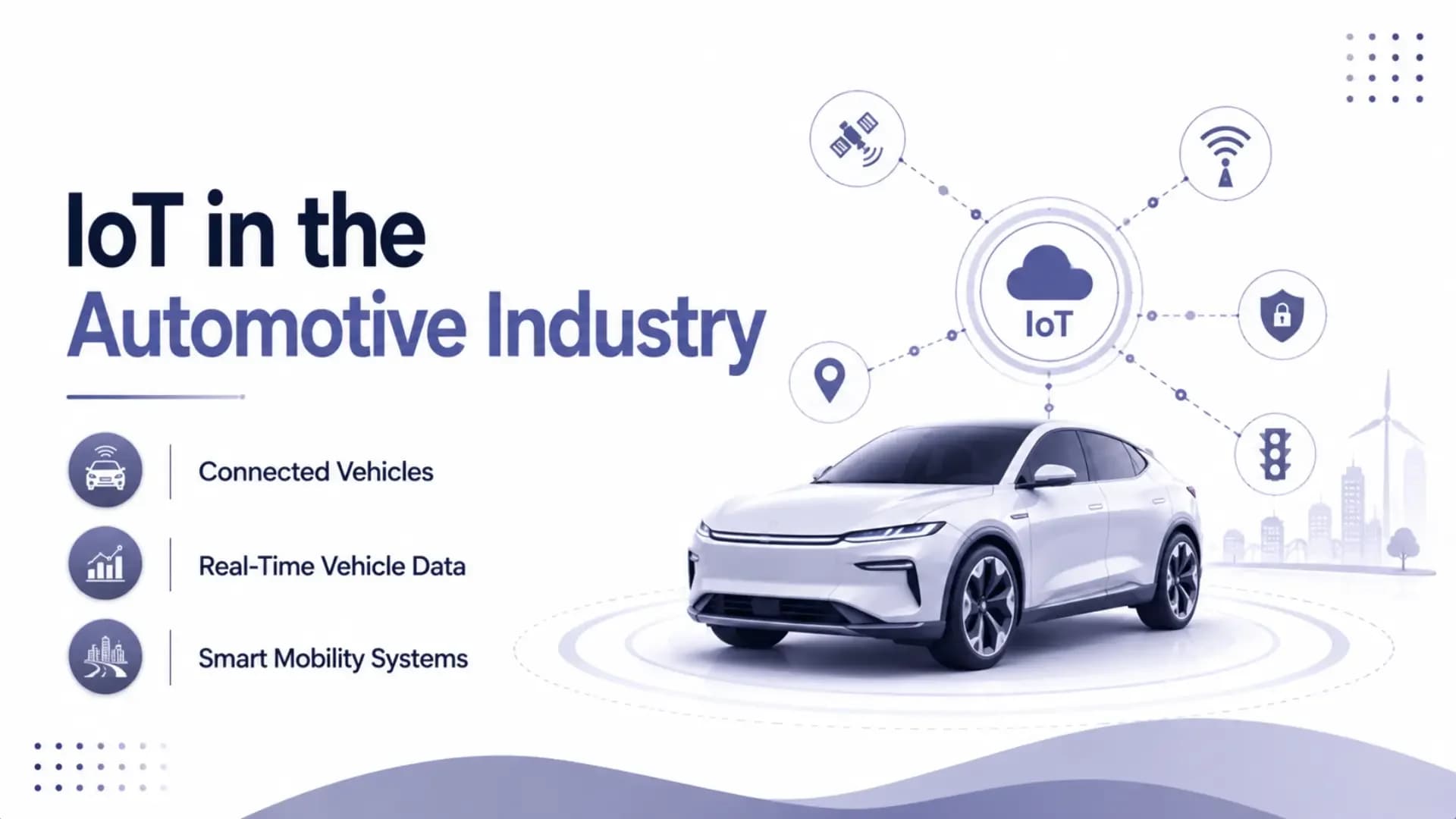 Jun 05, 2026
How IoT is transforming automotive. Connected vehicles, predictive maintenance, V2X communication, smart manufacturing, and what comes next for mobility.
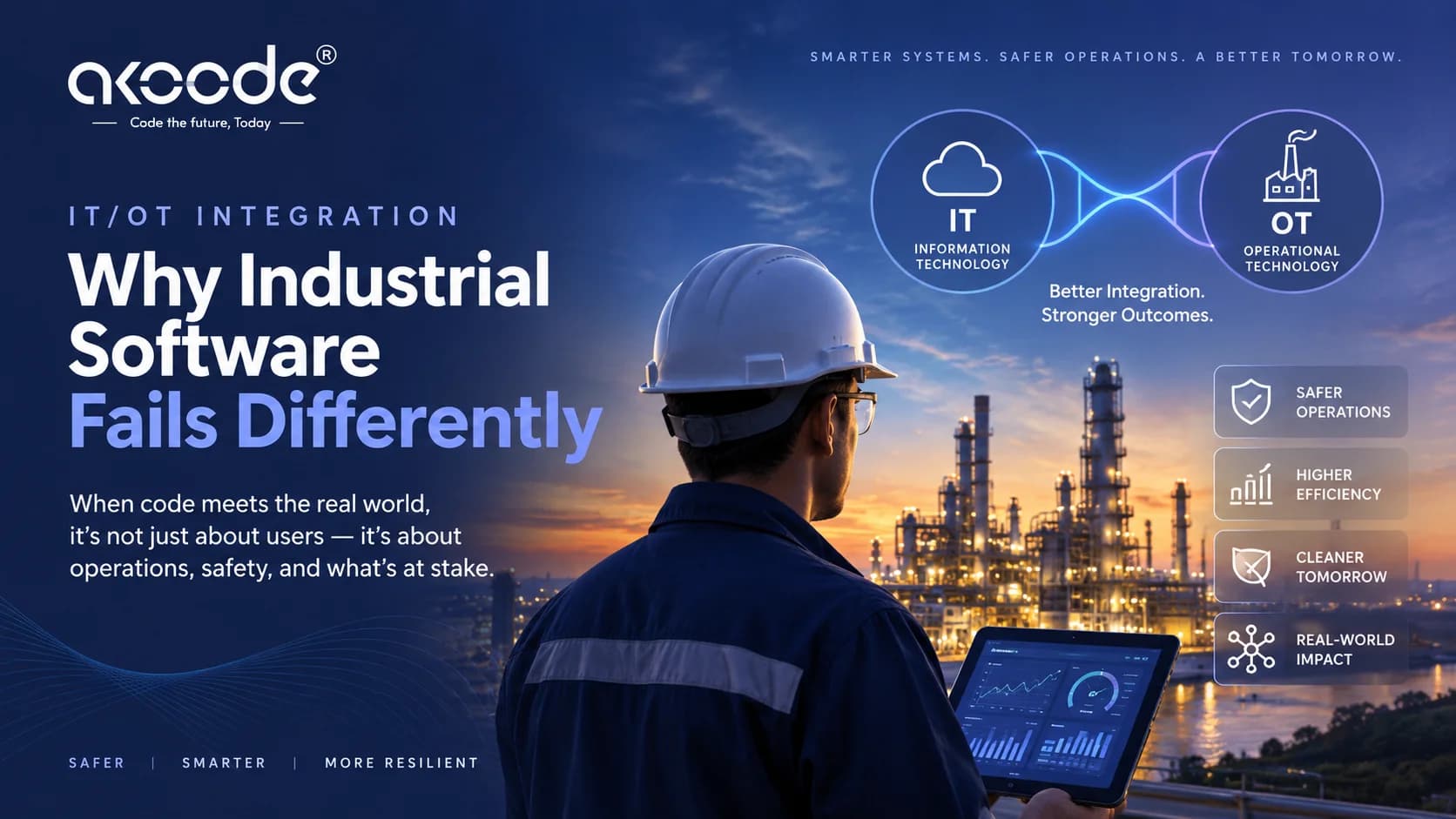 Aug 11, 2026
IT/OT integration explained — historian data, network segmentation, sensor quality, and why industrial software projects fail where commercial ones succeed.
Straight answers on timelines, team shape, security, and how we plug into your existing delivery process.
An IoT development company designs and builds the full connected system, devices, connectivity, cloud platform, and the analytics layer that turns raw sensor data into a decision someone acts on. It's not just wiring up sensors, it's the entire chain from device to dashboard.
It depends on device count, connectivity environment, and how much predictive analytics work is involved. A ten-sensor pilot and a thousand-device industrial deployment sit in genuinely different cost brackets. We give a fixed estimate after a technical assessment of your actual use case.
A focused pilot typically takes four to eight weeks. A single-site production deployment usually runs three to six months. A full-scale, multi-site platform is a longer engagement, often six months to a year, and we'll give you a realistic number during scoping, not a pilot timeline stretched to cover platform-scale work.
Depends on whether the use case is already proven. If you're still validating whether this actually works for your operation, a pilot is the right move, and we'll build it to genuinely test scaling assumptions. If the use case is already proven elsewhere in your industry, we can scope straight to deployment.
It depends on range, power constraints, and environment. MQTT works well for reliable, higher-bandwidth connections. LoRaWAN suits long-range, low-power deployments like remote field sensors. BLE fits short-range, battery-constrained devices. We select the protocol against your actual deployment conditions, not a default choice.
Device identity management, encrypted communication, and access controls get built into the architecture from the start, not added after deployment. Continuous monitoring catches an anomalous device before it becomes a real security incident, since one compromised sensor can be an entry point into the whole network.
Often, yes. We build for interoperability with legacy industrial protocols and existing SCADA or equipment systems specifically because ripping out equipment that already works is rarely the right call. We bridge what's there instead of forcing a full replacement.
This is exactly why architecture gets designed for your real target scale from the start, not just the pilot's device count. If scaling assumptions still need adjusting once real deployment data comes in, we treat that as expected iteration, not a failure, and we stay engaged to fix it.
Yes, healthcare, finance, and industrial deployments all carry real regulatory or safety weight, and compliance gets designed into the device and data architecture from day one, not audited in after the fact.
Yes, a significant share of our IoT development work comes from clients in the US, UK and UAE. Communication runs through whatever tools your team already uses, and several of our longest-running IoT deployments have been fully remote from the first scoping conversation.
Subscribe To The Akoode Newsletter For Carefully Curated Insights On AI, Digital Intelligence, And Real-World Innovation.