
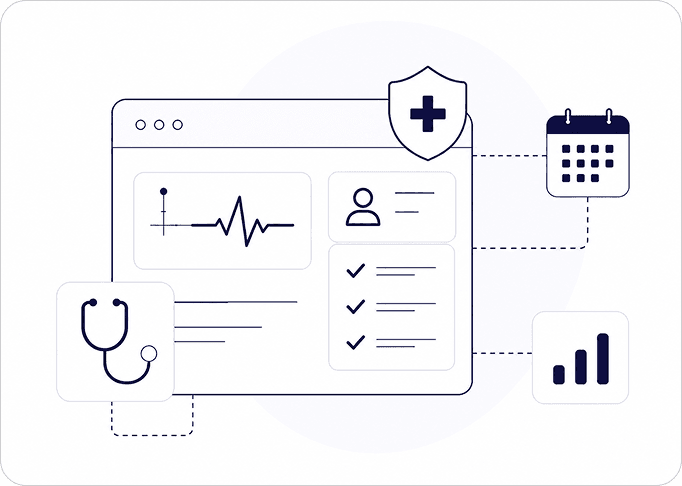








Trust is the entire product here. Patients judge a clinic by its website before they judge it by anything else, so we build platforms with appointment booking, doctor profiles, patient portals and content architecture that answers medical questions responsibly. Compliance shapes every decision, from data storage to consent flows. Accessibility gets extra attention too, because healthcare audiences skew towards exactly the users most sites exclude. When a platform earns trust at first glance, the appointment book shows it within weeks.
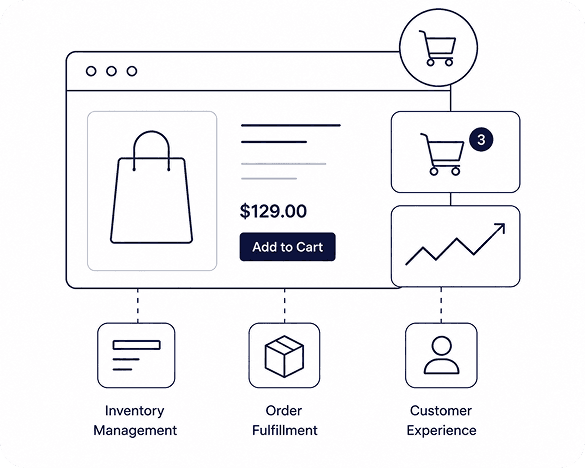
For retailers, the website is the shop, and we treat it with the same seriousness a flagship store gets. Fast catalogue browsing, search that understands intent, and checkout flows tested until they stop leaking. Where clients need full commerce infrastructure, our dedicated ecommerce development practice takes over. For everyone else, we make sure the storefront loads before the customer's patience runs out.
Publishing platforms have a brutal performance equation: heavy media, huge traffic spikes, and readers who leave in two seconds. We build content sites with aggressive caching, image pipelines and layouts that render instantly even mid-spike. Recommendation modules keep readers moving to a second and third piece. Ad and subscription tooling integrates without wrecking the reading experience, which is rarer than it should be. Publishers who get this balance right keep readers, and keeping readers is the whole business.
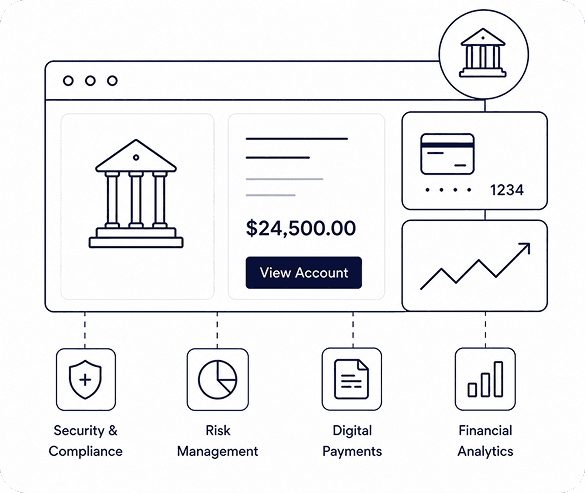
Financial websites carry a double burden: regulator scrutiny and user suspicion. We build platforms with security hardening as a first-class requirement, audit-ready consent and disclosure flows, and calculators and eligibility tools that turn visitors into qualified applications. Content architecture handles the compliance small print without burying the message. Speed matters doubly here, because slow financial sites read as untrustworthy ones. Nobody hands their PAN details to a page that stutters.
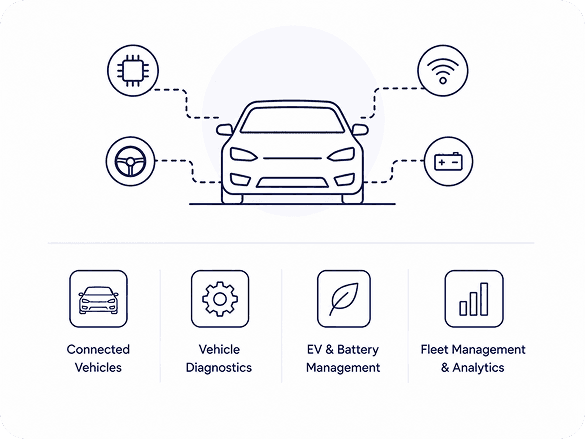
Car buyers research online for weeks before touching a showroom, and most dealer websites waste all of it. We build automotive platforms with searchable inventory, comparison tools, EMI calculators and test drive booking that syncs with dealership calendars. For parts and accessories businesses, fitment-based search cuts frustration and returns. AI chat handles the 11pm questions that phone lines never catch. Dealers who answer at 11pm sell the test drive at 10am.
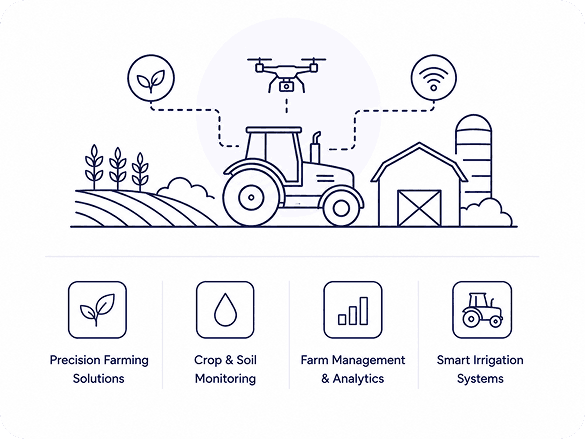
Agri-businesses serve users across languages, devices and patchy connectivity, which is a design brief most agencies never face. We build lightweight, vernacular-ready platforms that load on entry-level phones over weak networks. Product catalogues, dealer locators, advisory content and weather-linked tools give input companies a direct line to farmers. Progressive web app builds work well here, offline tolerance included. A page that opens in a field with one signal bar earns loyalty no billboard can buy.
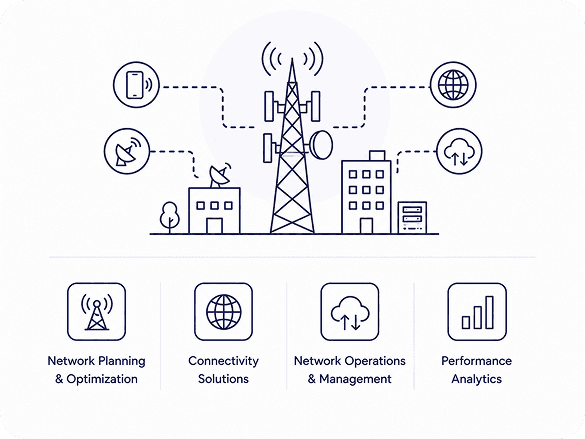
Telecom websites are transactional machines wearing a marketing skin. Plan comparison, coverage checkers, number selection and recharge flows all need to talk to backend provisioning systems in real time, and the site has to survive festival-day traffic without blinking. We build for both. Self-serve account areas cut call centre load, which finance teams notice within a quarter. Every recharge completed online is a call centre minute nobody paid for.
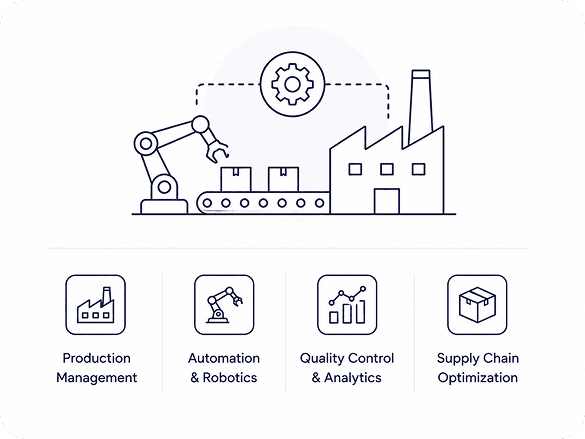
Manufacturers still win deals through PDFs and phone calls, then wonder why digital-first competitors are getting the RFQs. We build product catalogue platforms with specification search, downloadable documentation, and enquiry flows that route to the right sales engineer automatically. Configure-to-order tools turn complex products into interactive experiences. The website becomes the best salesperson on the payroll, and it never sleeps.
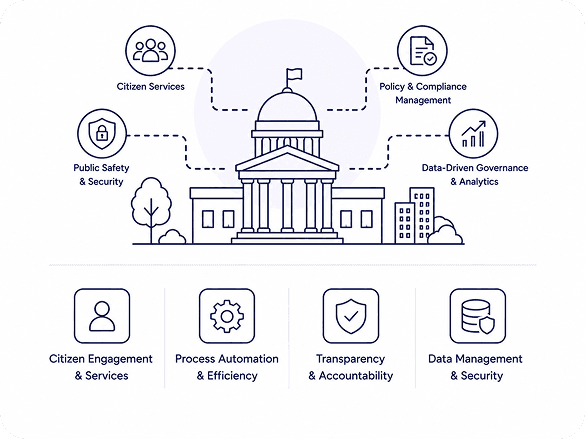
Government websites answer to every citizen, including the ones on old phones with slow connections and screen readers. We build accessible, multilingual platforms with clear information architecture, form flows that people can actually complete, and uptime engineering treated as a hard requirement. AI-assisted search helps citizens find services without learning the department's org chart first. When a citizen finds the form in two clicks, the whole system looks competent. Audit trails and security standards are built in, not bolted on.
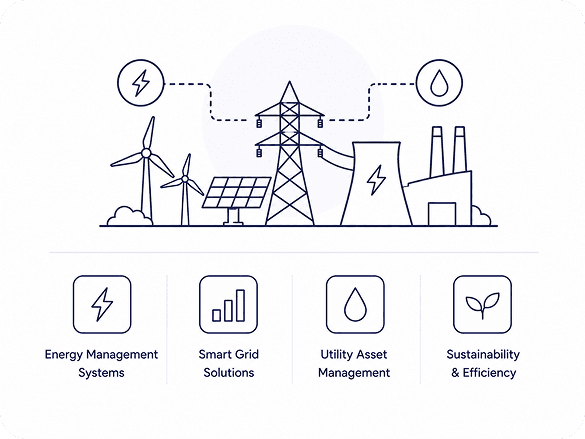
Utility websites get visited by people who mostly do not want to be there: paying a bill, reporting an outage, checking a connection status. We design for speed to task above everything. Self-serve portals, consumption dashboards and outage maps cut support calls dramatically. For renewables businesses, we build calculators and subsidy-aware product content that turn policy complexity into leads. A visitor who understands their subsidy in ninety seconds fills the enquiry form; one who does not closes the tab.
Inspiration and transaction have to live on the same website, which is the central tension of travel platforms. We build visually rich destination and property content over booking engines with live availability and pricing. Page speed gets ruthless attention, because a traveller comparing five tabs closes the slow one first. Abandoned enquiry recovery and personalised offers pull browsers back to book direct.
Institutions and ed-tech companies both need websites that convert two audiences at once: learners and the parents or employers paying for them. We build course discovery platforms, admission funnels with document upload and fee payment, and learning portals with progress dashboards. Content architecture handles hundreds of programmes without becoming a maze. Recommendation surfaces the next course before the learner thinks to leave.
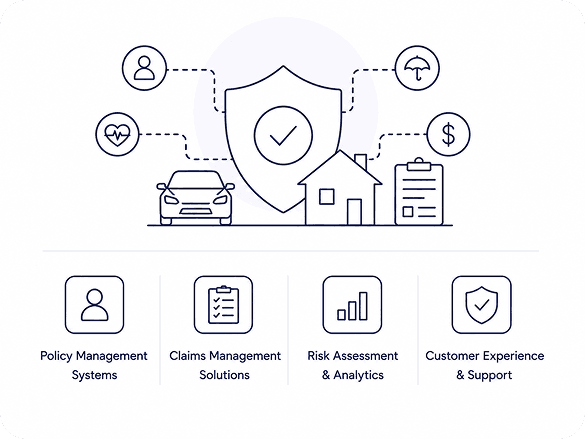
Insurance websites have seconds to make a complicated product feel understandable. We build guided quote journeys, plan comparison tools and claim tracking portals that strip the jargon out of the interface even when the product keeps it. Calculators quietly qualify leads while helping users. Every flow is engineered to satisfy disclosure and consent requirements, because in this sector the regulator is always the second audience.
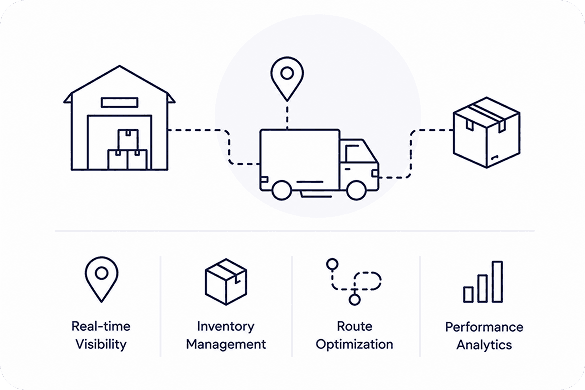
Shippers judge a logistics company by whether they can get a rate and track a consignment without phoning anyone. We build quote engines fed by live carrier data, shipment tracking portals, and customer dashboards that surface exceptions before the client calls about them. API-first architecture lets enterprise customers plug your services into their own systems, which is increasingly how logistics contracts get won. Procurement teams now shortlist carriers by integration readiness before price even comes up.