Custom Healthcare Software Development Company
We build EHR systems, telehealth platforms, hospital management software, and AI diagnostic tools for clinics, hospitals, and HealthTech companies. Every system is HIPAA-compliant, built for clinical workflows, and engineered to reduce manual overhead.
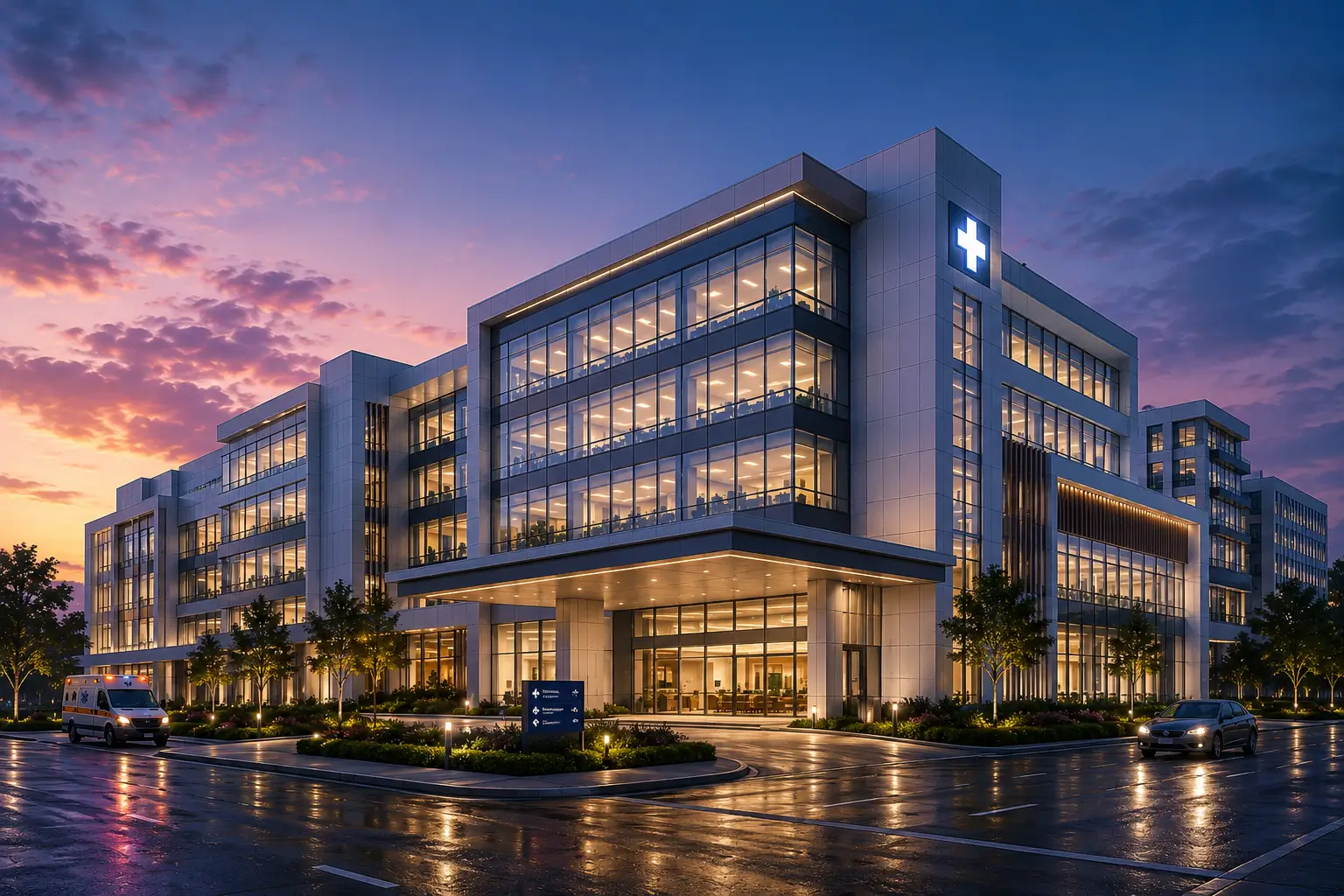
Intelligent, scalable & future-ready software for modern businesses.
Our client see measurable results within the first 90 days of launch.
Why Healthcare Organisations Are Losing Time and Revenue to Outdated Systems
Legacy systems, disconnected data, and manual clinical workflows cost healthcare organisations in ways that show up in patient outcomes and operating budgets every single month.




Compliance Risk From Manual Processes
HIPAA and DPDP violations do not start with a breach. They start with manual data handling, unsecured file transfers, and consent records stored in spreadsheets. Non-compliance penalties can run into millions before a single patient record is exposed.
No Interoperability Between Systems
Your EHR does not talk to your lab system. Your lab system does not connect to your pharmacy. Clinicians waste time on data re-entry that should never exist in a properly integrated healthcare software environment.
Telehealth Infrastructure That Cannot Scale
Video consultation platforms bolt onto existing systems and break under load. Patients drop calls. Clinicians cannot access patient history during the session. The tools were not built for clinical workflows from the start.
No Predictive or AI Diagnostic Capability
Providers that lack AI-powered diagnostic support are making clinical decisions without the pattern recognition that trained models provide. Early detection rates suffer. Readmission rates stay high. The data to do better already exists inside your systems.
Staff Burnout From Administrative Overload
Clinical staff spending a third of their day on documentation, discharge summaries, and insurance pre-authorisation is not a workflow problem. It is a software problem. The right systems eliminate the administrative layer without compromising clinical accuracy.
HMS Software That Cannot Support Multi-Site Operations
Adding a second clinic or hospital location means rebuilding your operational setup from scratch. Custom HMS software development should produce a system that scales across sites by configuration, not by re-engineering the entire platform for each new location.
We Build Healthcare Technology That Cuts Costs, Reduces Errors, and Scales With You
We are a team of senior engineers who specialise in custom healthcare software development. Our focus is HIPAA-compliant architecture, production-grade AI, and clinical systems built to perform in real hospital and clinic environments.
AI-First Development
We do not add AI as a feature after the build. We architect it into the clinical system from the first sprint. Diagnostic support models, predictive readmission tools, and NLP-powered documentation assistants are part of the core platform.
End-to-End Platform Engineering
We design, build, and deploy complete healthcare systems from patient portals and EHR to billing, analytics, and telehealth. Every module is connected. Nothing is bolted on from a third-party integration that breaks during updates.
Revenue-Focused Architecture
Every technical decision is evaluated for its impact on billing accuracy, staff efficiency, and patient retention. Faster appointment flows mean higher utilisation. Better data means fewer insurance rejections and faster reimbursement cycles.
Domain-Deep Expertise
Our team builds for hospitals, clinics, diagnostic labs, and HealthTech companies. We understand FHIR standards, HL7 integrations, clinical documentation workflows, and the compliance requirements that generic software agencies routinely get wrong.
Healthcare Software Development Services Built for Clinical and Operational Impact
From custom HMS software development to AI diagnostic platforms, we build every system a healthcare organisation needs to run efficiently and deliver better patient care. Each service is a production-grade deliverable with measurable outcomes.
Software Built Around How Your Healthcare Business Actually Works
We build custom healthcare software for hospitals, clinics, diagnostic labs, HealthTech startups, and multi-site healthcare networks. Each platform is designed around your patient workflows, your compliance requirements, and your growth targets.
How We Build: A Seven-Layer Delivery Framework
Every project runs through seven defined layers. Speed and quality are not traded off against each other.
Real-Time Data Pipelines
Live patient vitals, bed occupancy, lab results, and operational metrics flow through high-throughput pipelines to clinical dashboards and decision-support tools. Ward managers and department heads see current data, not reports that are two hours behind clinical reality.
Outcomes You Can Take to Your Board Meeting
Our custom healthcare software development work has cut clinical admin time, reduced billing errors, and improved patient retention for hospitals and HealthTech companies across three continents.
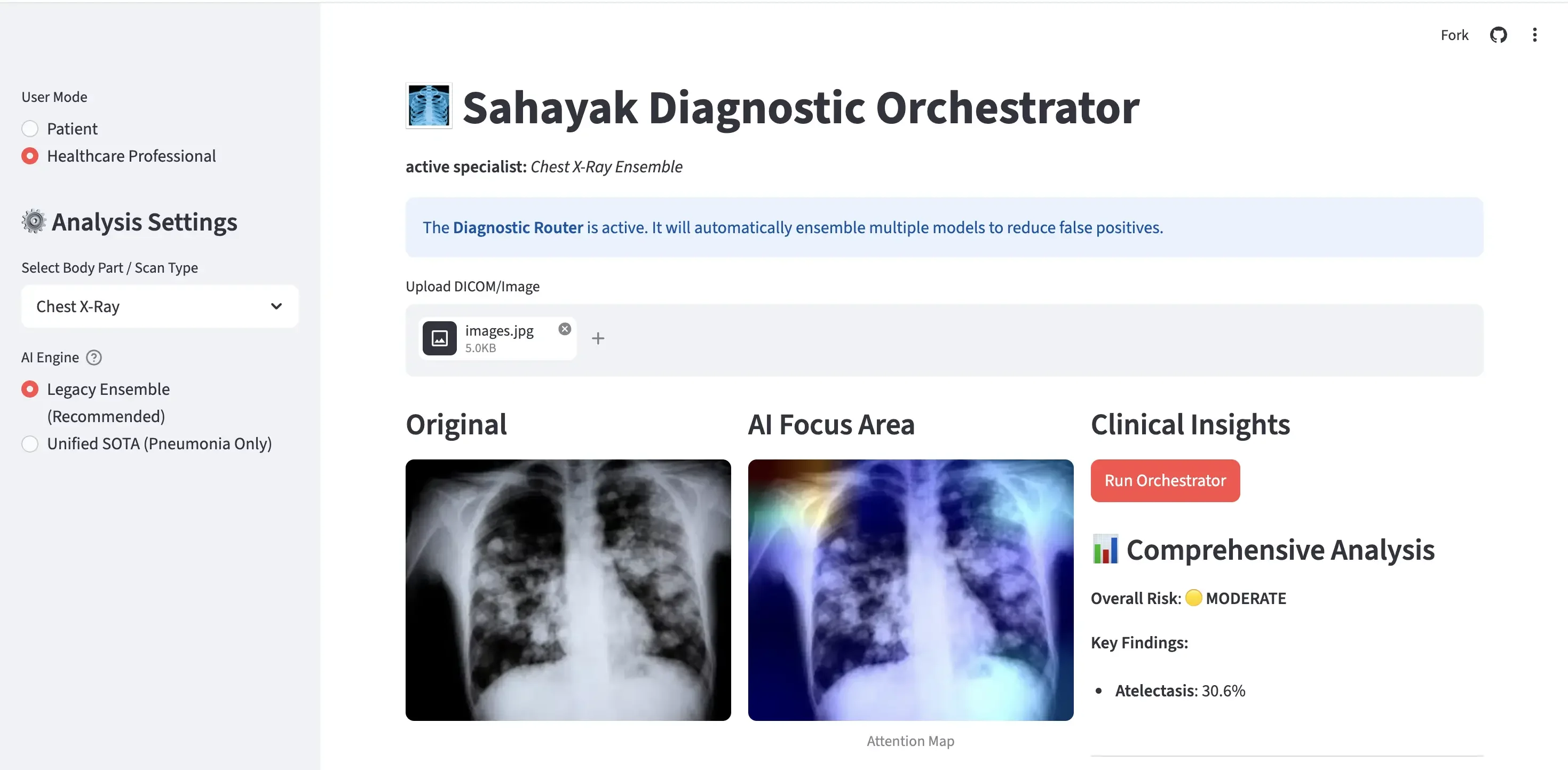
AI-Powered Medical Diagnostic System for Real-Time Clinical Decision Support
A property platform with 12,000 agents replaced a legacy monolith and cut listing-publish time from 6 minutes to under 90 seconds. Search latency dropped 94% with a new geospatial…
What a Well-Built Healthcare Platform Actually Does for Your Revenue
Technology is not a cost centre for healthcare organisations. It is the infrastructure that determines how much revenue you retain, how fast you grow, and how defensible your operations are against competition.
Reduced Billing Errors and Faster Reimbursement
Automated billing and insurance claim workflows cut rejection rates and bring reimbursement cycles down from weeks to days.
Lower Clinical Admin Overhead
AI-assisted documentation and automated discharge summaries give clinical staff back hours each day for direct patient care.
Higher Patient Retention and Referrals
Digital patient portals and post-discharge follow-up tools reduce churn and drive organic referrals from patients who had a better experience.
Investor and Accreditation Confidence
Real-time operational and clinical dashboards give investors and accreditation bodies measurable performance data that builds institutional credibility.
New Revenue From Digital Health Services
Telehealth, remote monitoring, and subscription wellness programmes create revenue lines your current infrastructure cannot support.
Compliance as a Competitive Advantage
HIPAA and DPDP-certified infrastructure opens enterprise contracts, insurer partnerships, and institutional referral networks that non-compliant competitors cannot access.
The Technology Stack We Build With
We select tools based on what your platform needs. No default stacks. No forced frameworks.
Mobile Development







Frontend Development






Backend and APIs






AI and Machine Learning






Cloud and DevOps





Database






Healthcare Technology Trends Shaping the Industry in 2026 and Beyond
What worked three years ago is already losing ground. The platforms winning in 2026 are built differently. Here is what is driving the shift.
AI Clinical Decision Support is Moving from Pilot to Production
Healthcare providers are deploying AI diagnostic support and predictive risk models in live clinical settings. Hospitals using AI for early sepsis detection and readmission prediction are seeing measurable reductions in adverse outcomes and length of stay.
Interoperability Standards Are Now a Procurement Requirement
FHIR R4 compliance is no longer a technical nice-to-have. Health systems and insurers are mandating it in vendor contracts. Healthcare software development solutions that cannot demonstrate interoperability are being excluded from enterprise procurement processes.
Telehealth Has Moved From Emergency Use to Standard Care Delivery
Virtual consultations are now a standard care channel, not a pandemic workaround. Providers without scalable telehealth infrastructure are losing patients to digital-first clinics that offer same-day virtual appointments without a phone call to book.
Remote Patient Monitoring is Creating New Chronic Care Revenue Models
IoT-connected devices monitoring blood glucose, cardiac rhythms, and blood pressure remotely are shifting chronic disease management out of hospitals. Providers with RPM platforms are generating new subscription revenue and reducing costly emergency admissions.
NLP is Cutting Clinical Documentation Time by Half
Natural language processing tools that convert spoken clinical notes into structured EHR entries are in active deployment across US and UK health systems. Clinicians using NLP documentation tools are spending less time on paperwork and more time with patients.
Why Healthcare Teams Choose Akoode Technologies
Built for clinical environments and backed by proven results. Our clients include HealthTech founders, hospital groups, and diagnostic chains across India, the US, and the UK.
Recognised by leading platforms, startup ecosystems, and global technology communities.














Talk Directly with Our Founder
Discuss your software vision, AI roadmap, and delivery strategy with the team leading product engineering at Akoode.
Our Healthcare Software Development Process
From first call to clinical deployment, here is exactly how we operate. Disciplined execution designed to ship healthcare systems that comply, perform, and scale.
We map your clinical workflows, user types, compliance requirements, and integration landscape before designing anything. For healthcare, that means understanding whether you are building for clinicians, administrators, patients, or all three. We document every integration point with existing systems including labs, pharmacies, and insurance platforms so architecture decisions account for the full operational environment from day one.
Clinical UX has a higher standard than consumer apps. A poorly designed clinical interface causes errors. We design workflows around how clinicians actually work under time pressure. Every screen is reviewed for cognitive load, error prevention, and compliance before development begins.
We build in two-week sprints with working software at the end of each cycle. For healthcare projects, that means you review real clinical module functionality in a staging environment. Appointment workflows, patient records, and billing modules are demonstrated in working form, not presented as wireframes.
AI models are integrated after core clinical modules are stable. Each model is trained on real clinical datasets relevant to your patient population and specialty. We validate model performance against clinical benchmarks before any AI feature goes into production. No model goes live on assumptions.
Healthcare software testing covers clinical workflow accuracy, data integrity under concurrent user load, compliance control validation, and disaster recovery. We test every critical path including emergency scenarios before any system goes near a live clinical environment.
We deploy on high-availability cloud infrastructure with database redundancy, automated failover, and disaster recovery configured before go-live. Post-deployment, we monitor system performance, handle scaling as patient volume grows, and manage compliance updates when regulations change.
Questions Teams Ask Before They Start
Straight answers on timelines, compliance, team structure, and how we integrate with your existing clinical systems.
For dedicated-pod and hourly engagements, we can start within five business days of contract signing. Fixed-scope projects require a 1 to 2 week clinical discovery phase to map workflows, integration points, and compliance requirements accurately. Healthcare systems built on incorrect assumptions cost far more to fix than to scope correctly from the start.
Yes. We build under HIPAA requirements for US-market platforms and DPDP requirements for India-market systems. GDPR applies to UK and EU-facing deployments. Encryption, access controls, consent management, audit trails, and breach notification workflows are designed into the core architecture from the first sprint, not added at the end.
A focused HMS covering admissions, billing, and department management takes 16 to 24 weeks. A full multi-department HMS with AI integration, pharmacy, OT scheduling, and analytics typically takes 28 to 40 weeks. We build in two-week sprints so you review working clinical modules throughout the project, not just at final delivery.
Yes. We build clinical AI systems including predictive readmission models, diagnostic image analysis tools, NLP clinical documentation assistants, and sepsis early-warning systems. Each model is trained on real clinical datasets and validated against clinical benchmarks before it goes into a live healthcare environment.
Yes. We integrate into existing clinical IT teams through staff augmentation and embedded delivery models. We follow your existing sprint processes, version control practices, and deployment procedures. We do not require your internal team to change how they work in order to collaborate with us.
We can adjust team size with two weeks of notice. Adding clinical workflow specialists, compliance engineers, or QA resources to an active build is standard for us. We do not lock you into a fixed team composition for the entire project duration.
Scope and compliance requirements drive cost. A focused patient portal or telehealth MVP typically runs between $20,000 and $45,000. A full HMS or EHR with AI integration is a larger investment scoped specifically after discovery. We do not price from templates because no two healthcare environments have identical workflows or integration landscapes.
Yes. We build FHIR R4-compliant systems and HL7-compatible integrations as standard on healthcare projects. We have connected custom EHR and HMS platforms to lab systems, pharmacy management tools, insurance platforms, and third-party diagnostic devices. Interoperability is built in from the architecture stage, not added through workarounds.
Yes. We handle integrations with existing EHR platforms, lab information systems, pharmacy management tools, insurance portals, and diagnostic device APIs. We manage data normalisation, mapping, and validation so your existing clinical data moves into the new system accurately and completely.
You own 100% of the code, IP, and all deliverables from day one. We sign IP-assignment agreements before kickoff. There are no licensing fees, no retained ownership clauses, and no restrictions on how you use, modify, or commercialise the platform after delivery.
Yes. We offer ongoing support retainers covering bug fixes, performance monitoring, security patching, compliance updates, and incremental feature development. Healthcare platforms require ongoing compliance maintenance as regulations change. Most clients move into a retainer model after launch to retain the same team that built the system.
We build for healthcare clients across India, the US, UK, and the UAE. Our platforms handle multi-currency billing, multilingual interfaces, and region-specific compliance requirements including HIPAA, DPDP, GDPR, and NHS Digital standards. Market location does not limit scope. If your platform operates across borders, we build for that from the start.
Start Your Healthcare Software Project Healthcare project
Tell us what you are building. A senior engineer, not an account manager, will reply within 30 working minutes. We sign NDAs before any clinical or operational details are discussed.