



01 / 06Software Development
Service 01
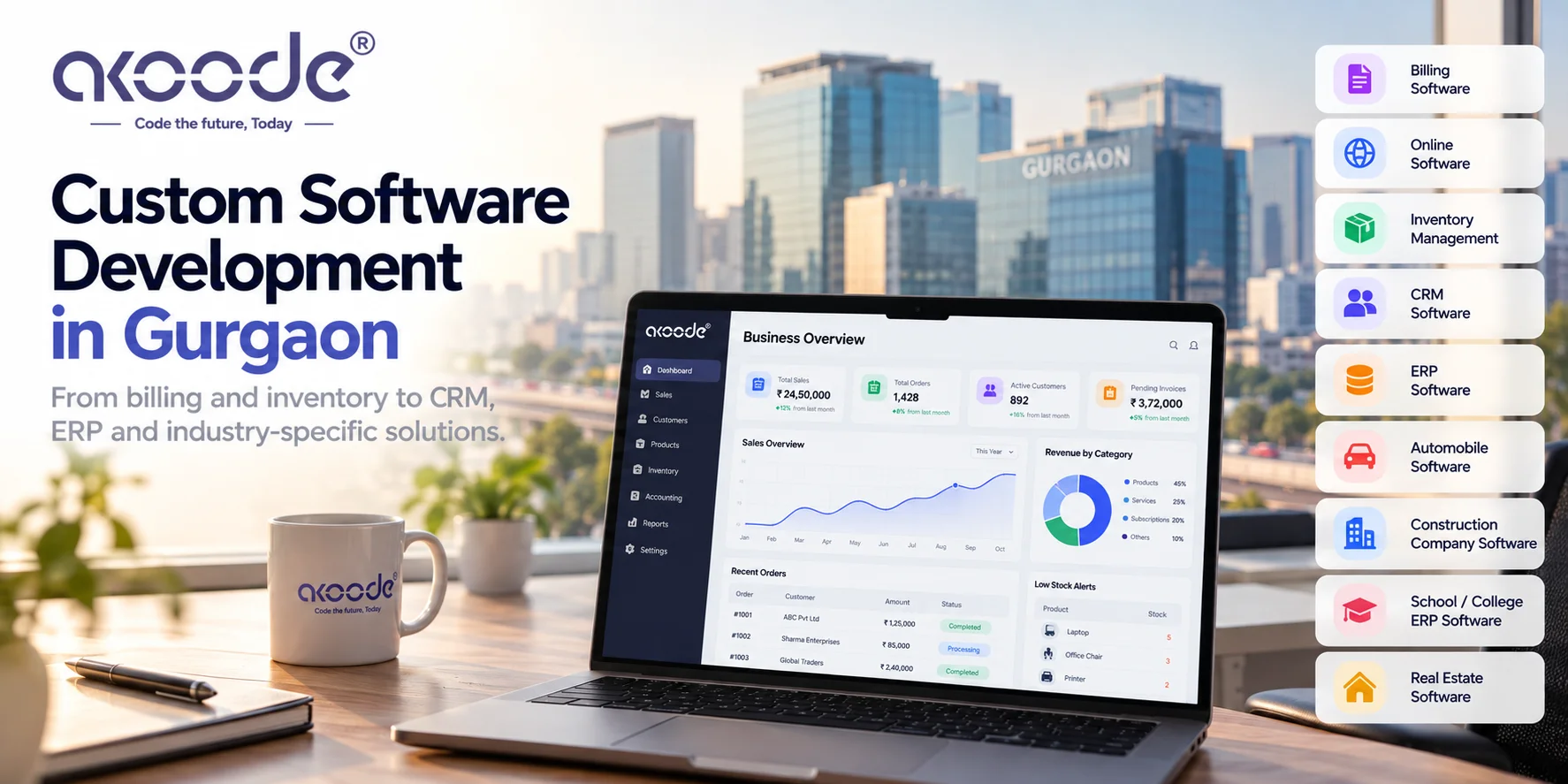
Custom Software Development in Liverpool
Most organisations here call because a process spans several systems that were never meant to talk to each other, or because a spreadsheet has quietly become load-bearing. We scope the specific constraint rather than assuming a full rebuild, and where a configured commercial product would be cheaper, that is what we recommend.
- ✓Discovery run with the people using the system daily, not only the sponsor
- ✓A written decision map identifying who approves what, agreed before build
- ✓Architecture designed so later changes cost a sprint rather than a rebuild
- ✓Role-based access and audit logging suited to publicly accountable organisations
- ✓Handover documentation aimed at an engineer who has never met us
Node.jsTypeScriptPostgreSQLReact