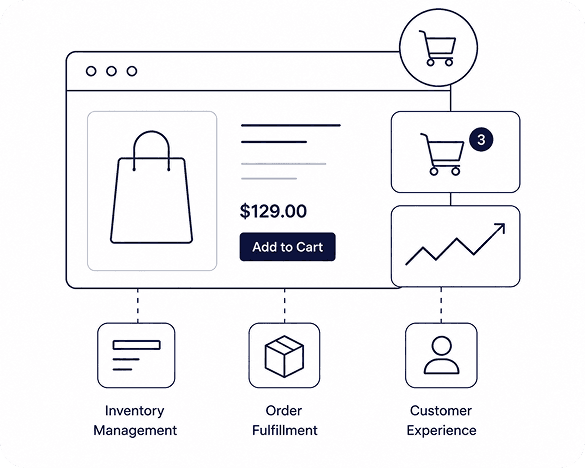
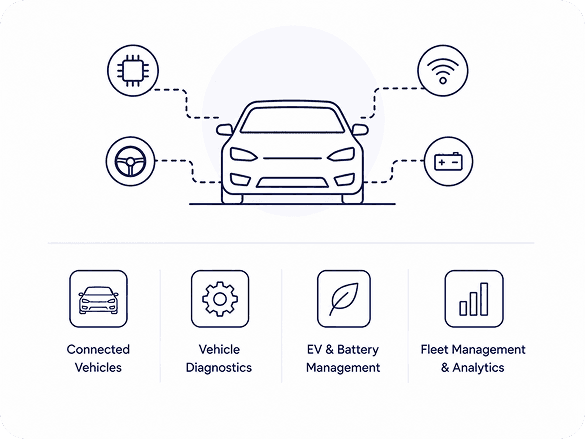
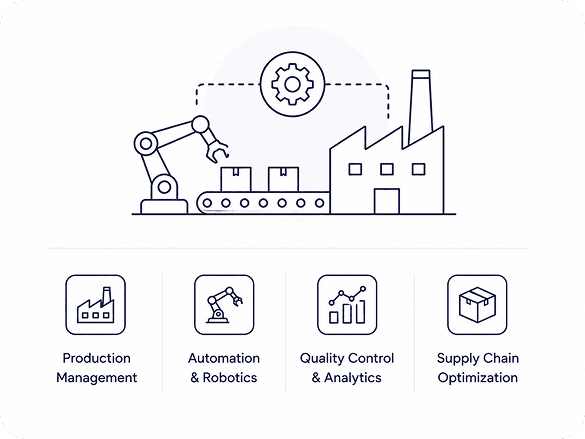
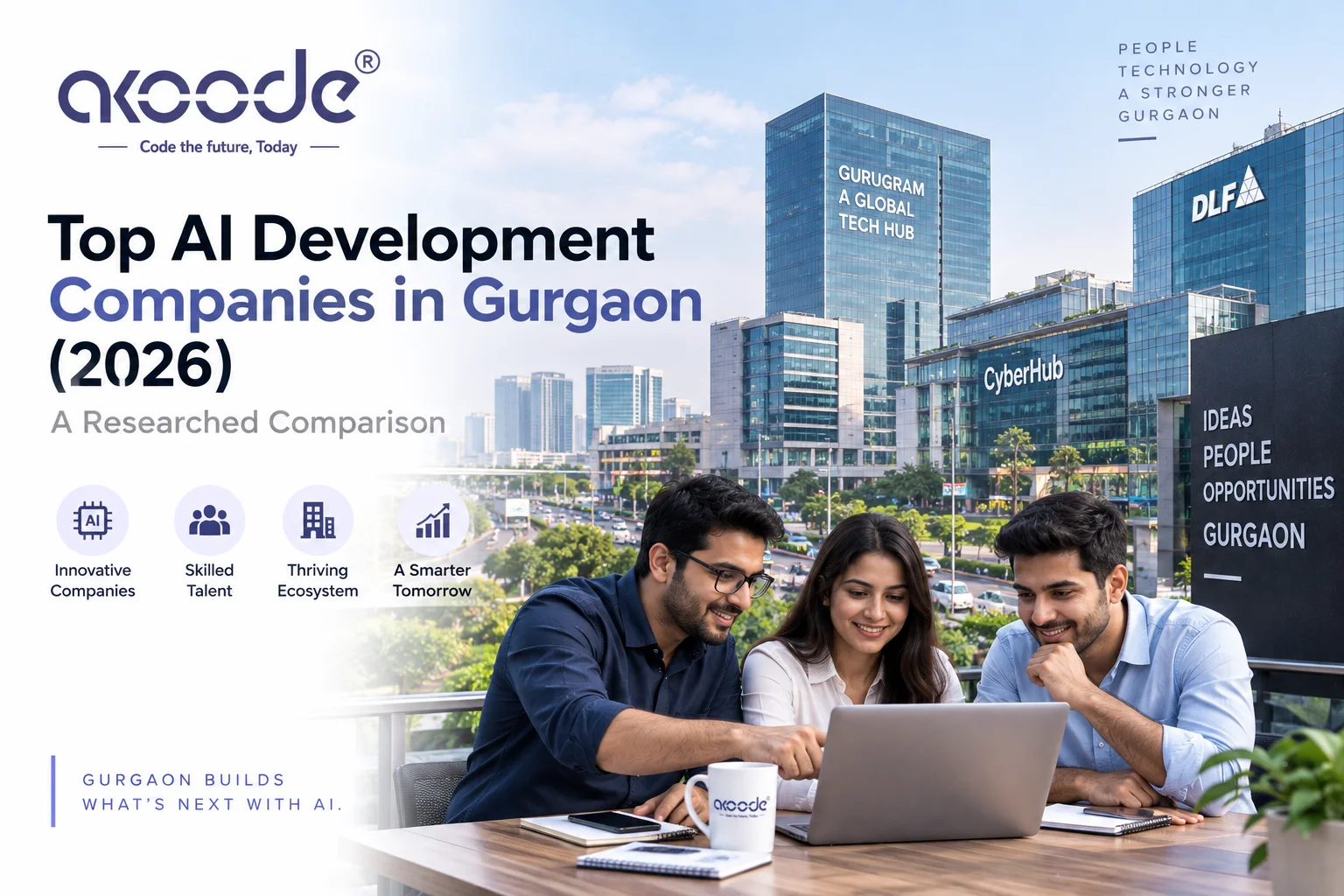
Walk the length of Golf Course Road and you pass companies sitting on some of the richest operational data in the country: consulting firms with years of engagement records, consumer brands tracking sell-through by pin code, and instant-delivery apps logging every order, rider ping, and refund. A growing share of the city's GCCs now run analytics and machine learning work for their global parents, not just back-office support. Further south on NH-48, automotive suppliers in IMT Manesar hold years of machine and maintenance logs that almost nobody has modelled yet.
That data is what makes AI useful here, and it is also what makes it risky. A model trained on customer orders or employee records is processing personal data under the DPDP Act, whose full obligations take effect in May 2027 and carry penalties of up to Rs 250 crore. A GCC also has to answer to its parent's GDPR or US privacy programme at the same time. For AI work, that means knowing before training starts which fields are allowed into a feature set, how long training data can be kept, and what happens when a person asks for their data to be removed from a system that has already learned from it.
Contracts are signed under Indian law, invoices carry GST, and kickoff workshops, model walkthroughs, and launch-day handovers can happen in your conference room instead of over a patchy video call. On days when the city's roads make travel pointless, the same work carries on remotely and the schedule doesn't slip.