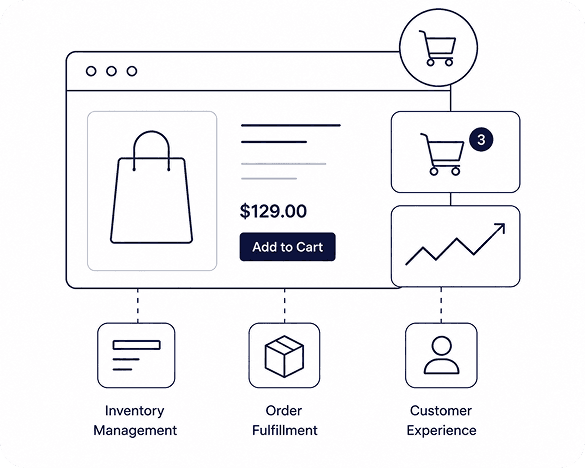
Seattle is where a coffee order became one of the clearest proof points that a mobile app can reroute an entire physical retail experience. Starbucks, headquartered in Seattle, rolled out Mobile Order and Pay nationwide starting in 2015, and by the end of 2023 mobile orders had climbed to 31 percent of all transactions at US company-operated stores, a new record for the program. That is not a novelty feature, it is a mobile app carrying nearly a third of a retail giant's transaction volume, and it set an expectation for what a well-built ordering flow should be able to handle.
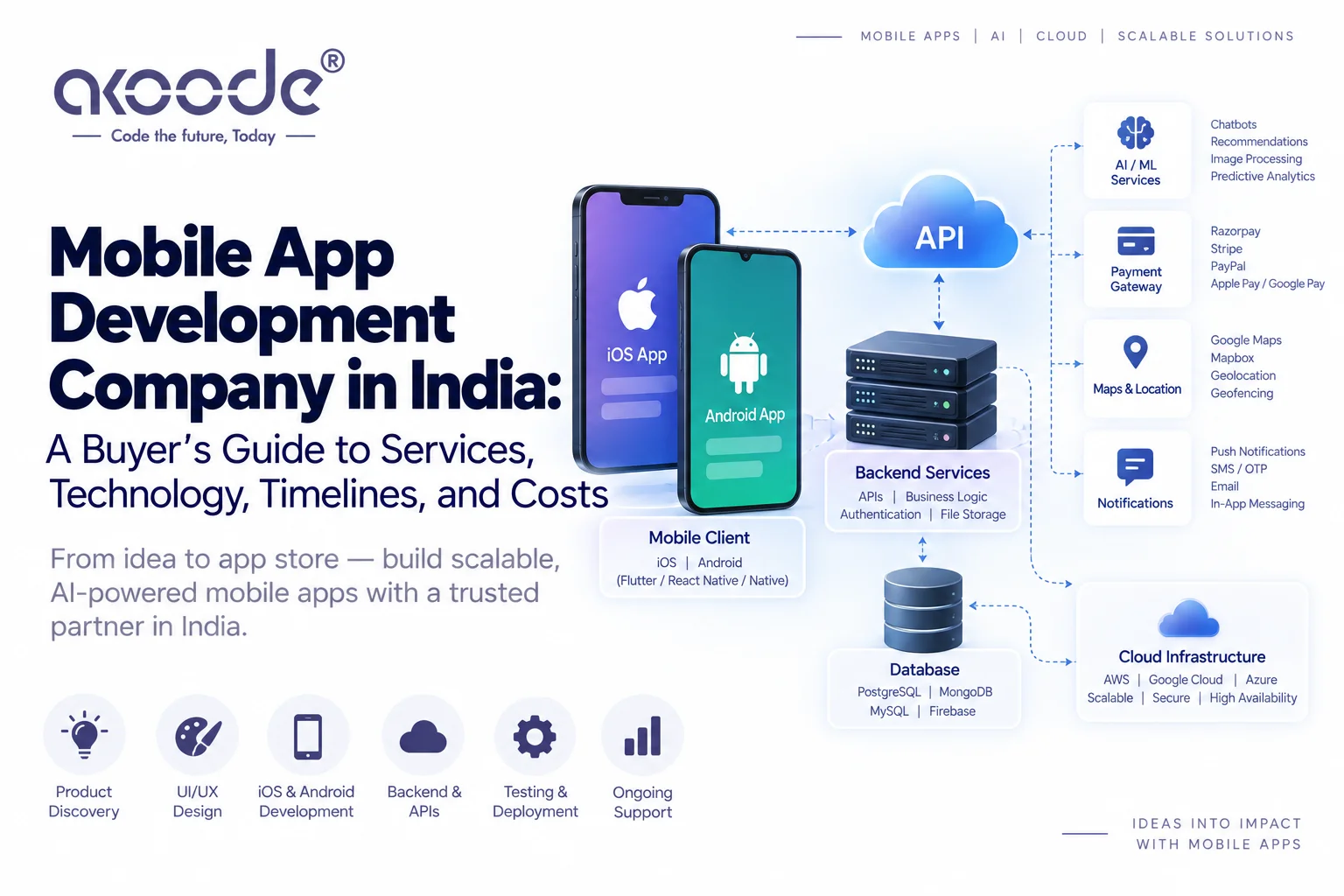
The infrastructure behind that kind of scale traces back to the same city. Amazon was founded in a rented garage in Bellevue, just outside Seattle, in 1994, and grew into the company whose Seattle teams launched Amazon Web Services in 2006, the cloud platform a large share of the world's mobile apps, including many outside this market, now run on. Akoode's engineers build with that same cloud-native discipline as the default, not an upgrade added later.
That combination, a city that proved mobile ordering could carry a retail giant and also built the cloud infrastructure underneath a huge share of the apps running today, sets a specific bar. An app built for Seattle is expected to behave like it was built by people who understand what happens after the first thousand users, the first regional rollout, and the first traffic spike, not just what happens in a demo.