In 1822, Joseph Huntley opened a small bakery at 72 London Street in Reading, selling biscuits to coach travellers stopping at the Crown Inn opposite. His cousin George Palmer joined the business in 1841, and by 1900 Huntley and Palmers had become the largest biscuit manufacturer in the world, employing over 5,000 people across a 24-acre factory complex and selling in more than 170 countries. It was one of the world's first genuinely global consumer brands, and the company pioneered the decorated biscuit tin as a way to survive rough export journeys, a piece of packaging innovation that doubled as some of the earliest global brand marketing. Reading became known simply as Biscuit Town, its whole identity built around a local product that had gone completely global.
That same instinct now shows up in a different industry. Reading and the surrounding Thames Valley are widely described as England's Silicon Valley, the largest cluster of technology company headquarters outside London along the M4 corridor. Microsoft, Oracle, Cisco, Huawei, and Ericsson all chose Reading for their UK headquarters, and a 2019 census by the Data City found Reading was the third best tech hub for business in the country after London and Manchester, with over 11,600 tech companies and roughly seven times the tech company density of the national average. Tech Nation has named the Reading and Bracknell cluster the largest concentration of digital businesses outside London.
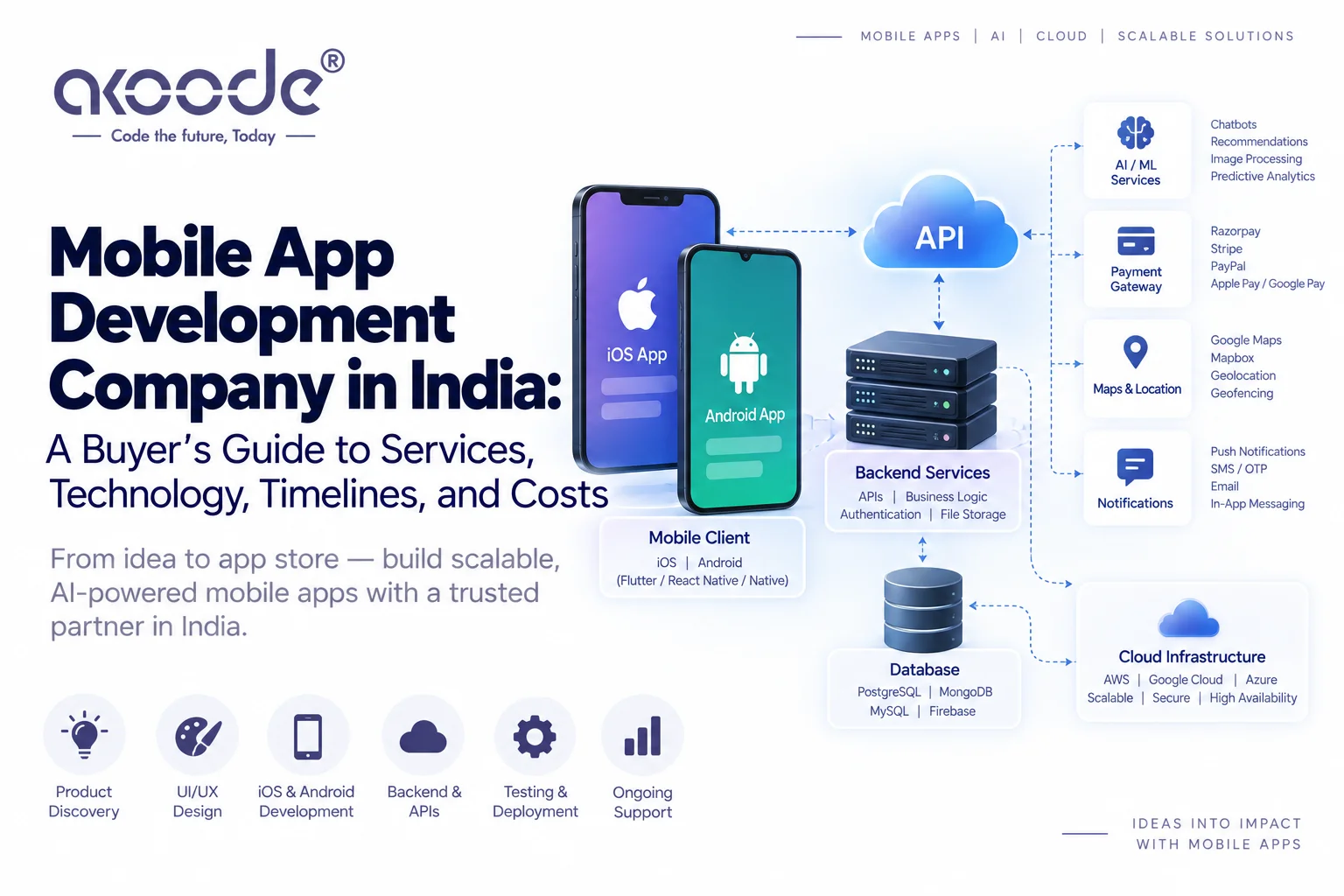
A mobile app built for a Reading business sits inside a town that has spent two centuries proving the same point twice, once with a biscuit tin and once with a server rack: something built locally here does not stay local for long. Akoode's mobile teams build with that expectation in mind, an app engineered to hold up the moment it stops being a local product and starts being used at real scale.