


Software Development Company Toronto

AI-powered software development for Toronto startups and enterprises, built by a team that treats a fintech-grade security review as the standard, not the exception.

Built for review

Documentation ready before a client's security team asks for it

Zero compliance surprises
Software-Development-Company-Toronto-Skyline

AI-Powered Solutions

Intelligent, scalable, and future-ready software built for modern businesses.

P
J
S
A
110+ Happy Clients trust Akoode globally
⭐ 5/5 on Clutch

180+

Projects Delivered

Across global markets

97%

Client Retention

Long-term technology partnerships

30+

AI-Powered Solutions Built

Scalable AI systems for modern businesses

15+

Industries Served

From FinTech to HealthTech and SaaS

The Questions a Bay Street Vendor Review Asks First

A meaningful share of Toronto's software buyers, directly or once removed, eventually have to answer to a bank, an insurer, or a regulator. That shapes how a vendor gets evaluated here more than almost anywhere else in Canada. Instead of a generic list of reasons to choose us, here are the four questions a serious Toronto procurement or security team tends to ask early, and what our actual answer is.

Where Does Our Data Actually Live?

We document data residency decisions during the architecture stage, not after a client asks. For anything with Canadian data residency expectations, that decision gets made and written down before a single table gets created, so the answer to this question is a document, not a scramble.

Who Else Touches This Codebase?

Nobody outside Akoode's own team. We don't subcontract, and we don't rotate your project through a bench of engineers you've never met. The people on your kickoff call are the people who write the code, which matters a lot more once a client's security team starts asking who has access to what.

What Happens if Something Breaks at 2am Toronto Time?

We're honest that we're not sitting in a Toronto time zone watching a dashboard. What we do have is monitoring and alerting configured before launch, a documented incident process, and a team that picks up an async escalation fast even outside our own working hours. We'd rather tell you exactly how this works than imply a 24/7 desk we don't actually staff.

Can You Actually Prove What You're Telling Us?

Every claim in this document is something we can back up: a Clutch or Google review, a documented process, an architecture decision log from a past project. If a claim can't be backed up, we don't make it. That's a low bar, but it's one a surprising number of vendors don't clear.

Platform Ratings

What our clients say across leading platforms.

Google, 4.9 out of five stars
Google
4.9
Clutch, 5.0 out of five stars
Clutch
5.0
GoodFirms, 4.8 out of five stars
GoodFirms
4.8

What clients love about working with us

Passed Review on the First Submission

Documentation built during the project, not assembled after a client's security team asked for it.

Nothing We Couldn't Back Up

Every claim we made held up when a client's own team checked it.

Async Actually Worked

Clients who expected the time difference to be a problem mostly stopped noticing it by sprint three.

Still Building Together

Several Toronto engagements that started as a single project are still active a year on.

A City That Invented This Technology and Regulates the Institutions Using It

Geoffrey Hinton did the research that made modern deep learning possible at the University of Toronto. The Vector Institute he co-founded in 2017 started at the MaRS Discovery District, a few blocks from Bay Street, before moving to the Schwartz Reisman Innovation Centre in 2024. That's not a marketing footnote, it's the reason Toronto engineering teams tend to ask sharper questions about AI work than most cities, because a meaningful number of them trained somewhere in that lineage.

At the same time, Toronto is where Canada's financial system actually gets regulated. The Big Five banks are headquartered on or near Bay Street, and OSFI, the federal banking regulator, sits in the same city. A large share of the software built here eventually gets looked at by a vendor risk team, whether the client is a bank directly or a company that sells into one. Those two identities, AI research capital and financial regulation capital, shape what 'good' looks like here more than most cities have to think about.

We build for both realities rather than picking one. That means AI work held to a standard a Vector-trained engineer would recognise, and infrastructure and documentation built to survive the kind of review a bank's procurement team runs before signing anything.

The AI Research Lineage Is Real

The University of Toronto and the Vector Institute set a genuinely high technical bar for AI work. We build to that bar rather than assuming a Toronto client won't notice the difference.

The Financial Sector Sets the Compliance Bar

OSFI and the Big Five banks make vendor risk review a normal part of doing business here, even for companies that aren't banks themselves. We build with that review in mind from the start.

PIPEDA and PHIPA Both Apply Here

Federal privacy law plus Ontario's health data law cover most of what a Toronto software project touches. We factor both in during architecture, not after a hospital or insurer flags something.

The Talent Pool Is Genuinely Global

Toronto's tech workforce draws from one of the most internationally diverse populations of any city in the world. Client teams here are used to working across cultures and time zones already.

Toronto-Financial-District-Bay-Street-Skyline

Software Development Services for Toronto Companies

Most Toronto projects that reach us have already survived one internal argument about buy versus build, or one vendor review that didn't go well. Here's what we actually spend our time on.

01 / 06Artificial Intelligence
Service 01

AI Development in the City Deep Learning Came From

Geoffrey Hinton did the research that made modern AI possible at the University of Toronto, and the Vector Institute he co-founded still sits a few blocks from Bay Street. That history sets a real bar. We're not going to sell a Toronto client a thin wrapper around a public API and call it an AI product. Akoode builds retrieval systems, LLM integrations, and automation that hold up against the kind of technical scrutiny a Toronto engineering team has actually seen before, because a lot of them trained down the street from where it happened.

  • Retrieval and search built on your own data, evaluated against your own edge cases
  • LLM integration picked by task and cost, not by which vendor has the best marketing
  • Automation with a defined fallback to a human, not a black box that fails silently
  • Model evaluation documented well enough to survive a technical due diligence question
  • Data handling built around PIPEDA's minimisation principle from the first schema draft
OpenAILangChainHuggingFacePyTorchVector DatabasesFastAPI
Explore Service Details
02 / 06Software Development
Service 02

Custom Software for Toronto Companies Past the MVP Stage

A lot of Toronto software work is the second build, not the first: the platform that outgrew its original scope, the internal tool nobody wants to touch, the system a fintech's vendor review keeps flagging. We build for that reality, with architecture decisions written down as they happen and enough documentation that a due diligence process or a new hire doesn't have to reverse engineer why something was built the way it was.

  • Architecture that survives a technical due diligence review, not just a demo
  • Multi-tenant builds with role-based access and billing handled properly from day one
  • CI/CD from the first sprint, so nothing depends on one person's laptop
  • Decision logs clean enough to support an SR&ED claim, should your accountant pursue one
  • Deployment across AWS, Azure, or Google Cloud, matched to what your team already runs
Next.js,ReactNode.jsPythonPostgreSQLAWS
Explore Service Details
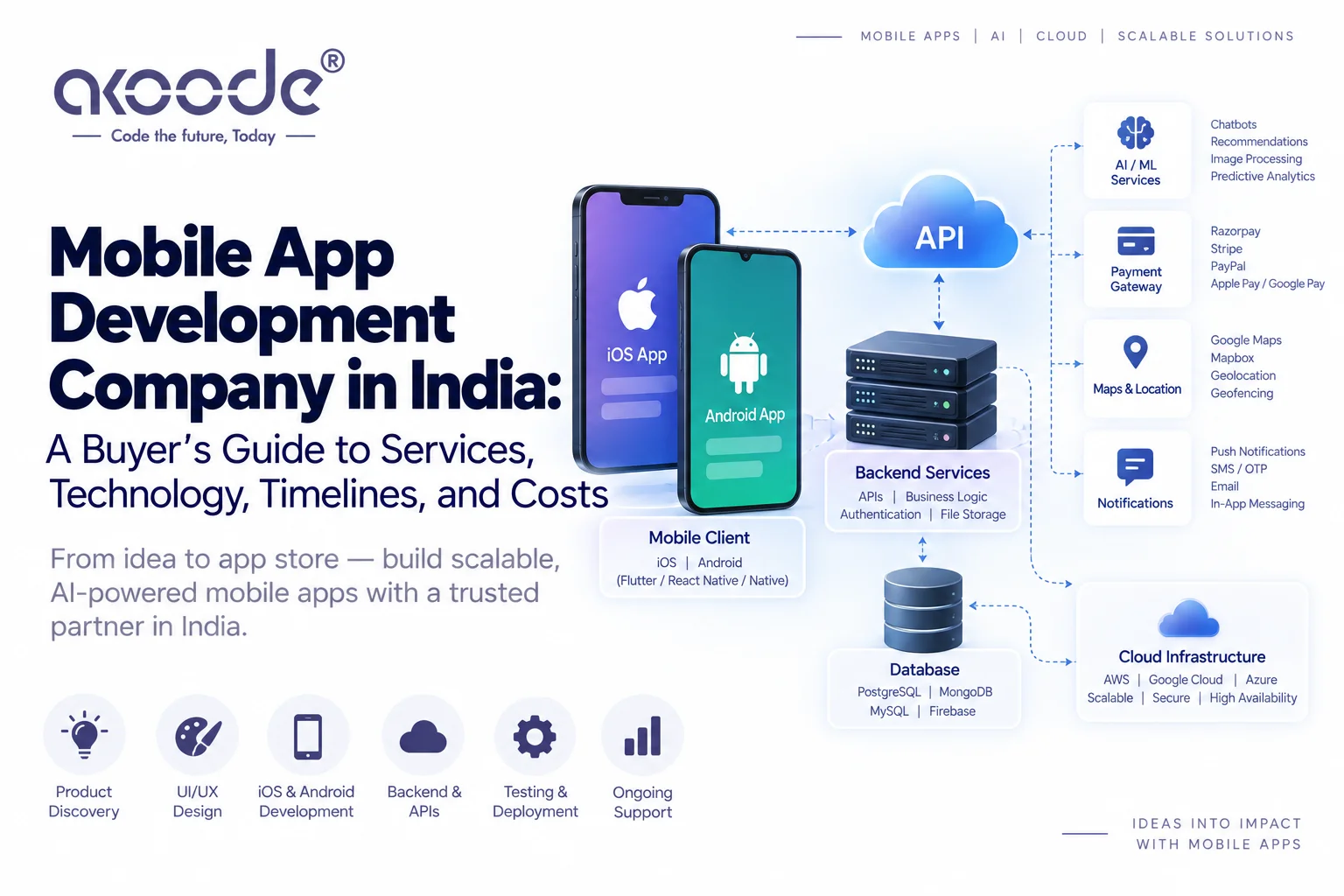
03 / 06Mobile App Development Services
Service 03

Mobile Apps Built for Fintech and Enterprise Scrutiny

Toronto's mobile market skews heavily toward finance and enterprise, which means apps that get reviewed harder than most: security questionnaires before launch, penetration tests before a bank will integrate, App Store reviewers who've seen every trick. We build React Native and Flutter apps with that scrutiny assumed from the start, not bolted on after a reviewer flags something.

  • Cross-platform builds in React Native or Flutter, native only where it earns its cost
  • Biometric authentication built to pass an enterprise security review, not just a demo
  • App Store and Play Store submissions handled end to end, review notes and all
  • Crash monitoring and analytics configured before launch, not added after a bad week
  • Penetration-test-ready architecture for apps that need to integrate with a bank or insurer
React NativeFlutterSwiftKotlinFirebaseREST APIs
Explore Service Details
04 / 06Web Development Services
Service 04

Web Platforms for a City That Reviews Vendors Carefully

Toronto buyers, especially anything adjacent to Bay Street, tend to ask harder questions before a contract gets signed: where does the data live, who else can see it, what happens if a subprocessor gets breached. We build web applications with those questions already answered in the architecture, not scrambled together the week a procurement team asks for a security questionnaire.

  • Performance budgets set before development starts, not diagnosed after a slow launch
  • React and Next.js builds structured so a review doesn't uncover surprises
  • Role-based access control that maps cleanly onto an actual org chart, not a guess at one
  • CMS integration through Sanity, Strapi, or Contentful, matched to your content team's workflow
  • Documentation ready for a vendor security questionnaire before one gets sent
Next.jsReactNode.jsPythonPostgreSQLAWS
Explore Service Details
05 / 06Big Data Analytics Services
Service 05

Analytics for Companies That Get Audited

Fraud detection, risk scoring, transaction monitoring: a meaningful share of Toronto's data work exists because a regulator eventually asks how a number was calculated. We build pipelines and models with that question in mind from the start, so the answer is a documented process rather than someone trying to remember what a script did eight months ago.

  • Fraud and risk models tuned against your actual transaction history, not a generic dataset
  • Pipeline documentation built to survive an audit, not just a stand-up demo
  • Data lineage tracked so you can answer 'where did this number come from' months later
  • Dashboards built for the people who act on the numbers, not just the people who requested them
  • Model monitoring that catches drift before a regulator or a customer does
PythonSparkAirflowSnowflakedbtKafka
Explore Service Details
06 / 06Cloud & DevOps Solutions
Service 06

Cloud Infrastructure Built for a Vendor Review

Uptime SLAs, subprocessor lists, incident response times: these show up in almost every serious Toronto contract negotiation, and a lot of infrastructure isn't actually built to answer them cleanly. We set up CI/CD, containerised deployments, and monitoring designed to produce a straight answer when a client's security team asks for one.

  • CI/CD pipelines that make deployment routine instead of an event
  • Containerised builds with Docker and Kubernetes, sized to what you actually run
  • Infrastructure as code, so your environment is documented by definition, not by memory
  • Monitoring and alerting with a real incident response process behind it, not just a dashboard
  • Data residency decisions documented for clients who need to show where their data lives
AWSAzureGoogle CloudDockerKubernetesTerraform
Explore Service Details

Six Stages, and What a Vendor Review Checks at Each One

Toronto contracts get reviewed harder than most. Each stage below is built to leave behind exactly what that review tends to ask for, rather than something we'd have to reconstruct after the fact.

Work That Held Up Under Review

A spotlight build plus more, chosen for outcomes that survived scrutiny, not just launch day.

80% Time ReductionReal Estate - Canada

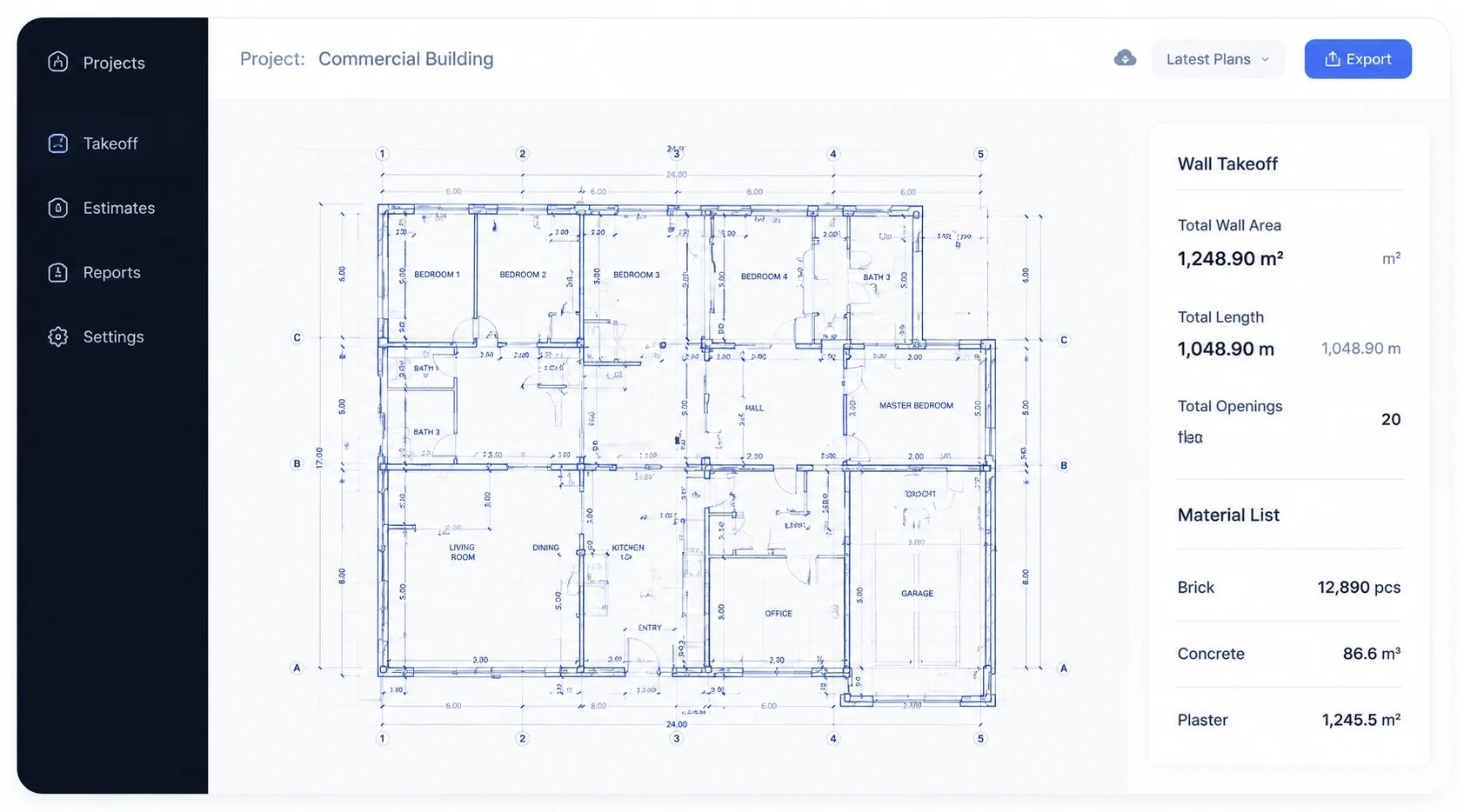
AI-Powered Quantity Takeoff Desktop Application

Built for Qualis Construction Ltd., a Canadian estimator whose manual blueprint counting process was too slow, too error-prone, and too exposed to data risk.

80%
Time Reduction
3 OS
Platforms Supported

Industries We Serve as a Toronto Custom Software Development Company

Fifteen sectors, several of them the ones a bank, a hospital network, or a regulator eventually looks at closely.

Healthcare

Healthcare

Healthcare

PHIPA-aware patient platforms built for Toronto's hospital network, from UHN to SickKids to Sunnybrook
Interoperability work with existing EHR and EMR systems rather than a rip-and-replace
Virtual care platforms designed around real clinical intake, not a generic telehealth shell
Research data platforms for teams working alongside the city's academic hospitals
Explore Now
Retail and E-Commerce

Retail and E-Commerce

Retail and E-Commerce

Marketplace platforms built for multi-vendor payout complexity
Inventory systems that stay accurate across warehouses serving the GTA and beyond
Recommendation logic tuned to your actual catalogue, not a generic plug-in
Headless commerce builds your content team can update without filing a dev ticket
Explore Now
Media and Entertainment

Media and Entertainment

Media and Entertainment

Streaming platforms with DRM handled properly from the start
Content management systems built for editorial teams, not just engineers
Audience analytics that show what people actually watched, not just what loaded
Subscription and paywall logic that survives a pricing change without a rebuild
Explore Now
Finance and Banking

Finance and Banking

Finance and Banking

Payment integrations built for Canadian processors and card networks
Fraud detection tuned to cut false declines, which cost more than the fraud they prevent
Architecture built with OSFI and PCI-DSS expectations in mind from the first design review

KYC and onboarding flows that get an applicant through without losing them
Explore Now
Automotive

Automotive

Automotive

Fleet tracking systems built for Ontario winter operating conditions
Connected vehicle apps with offline handling for weak coverage outside the core
Predictive maintenance models trained on your fleet's actual failure history
Dealer and service network platforms that sync in near real time across the GTA
Explore Now
Agriculture

Agriculture

Agriculture

Field monitoring systems built for southern Ontario's growing season
Equipment and yield tracking that works without constant connectivity
IoT sensor integration for soil and irrigation data at scale
Reporting formatted for the specific programs Ontario farm operations report into
Explore Now
Telecommunication

Telecommunication

Telecommunication

Provisioning and billing systems that handle plan changes without manual cleanup
Real-time usage tracking and alerting across customer and internal teams
Self-service portals that actually reduce inbound support volume
Network operations dashboards built for the people who get paged overnight
Explore Now
Manufacturing

Manufacturing

Manufacturing

Production monitoring with alerts routed to the right person, not everyone on the line
Predictive maintenance built on your actual sensor history, not an industry average
Supply chain visibility for operations spanning the Ontario-US corridor
Quality tracking that makes root cause analysis possible after the fact, not just recorded
Explore Now
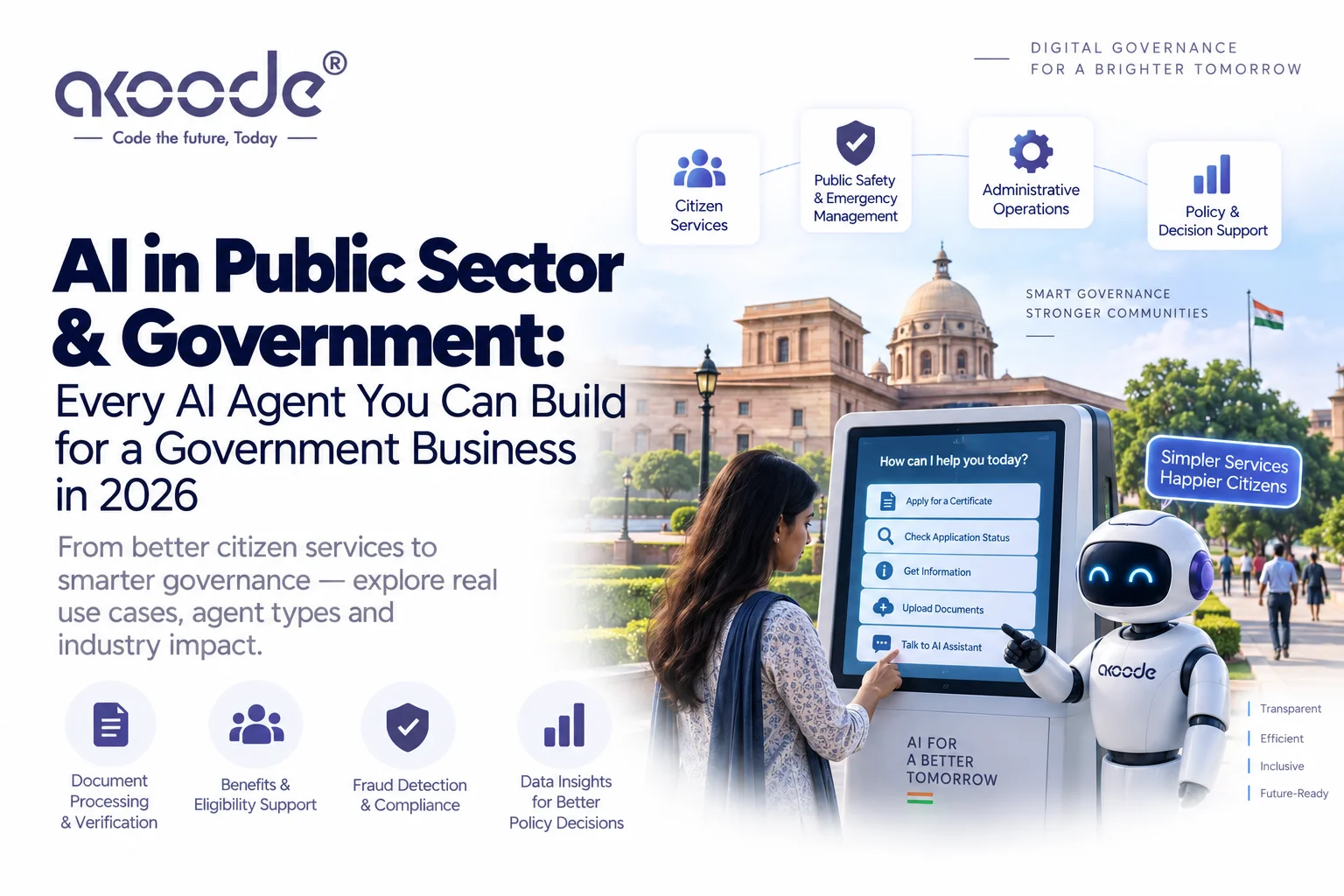
Public Sector and Government

Public Sector and Government

Public Sector and Government

Citizen-facing service portals built to meet accessibility standards from day one
Bilingual delivery where an official-languages obligation applies
Case management systems designed around audit trails, not just workflow speed
Data residency architecture that satisfies a procurement requirement before the RFP asks
Explore Now
Real Estate

Real Estate

Real Estate

Listing and CRM platforms built for the GTA's condo and multi-unit density
Property management systems for landlords running large portfolios, not just one building
Market analytics drawing on public land registry and MLS-style data
Automated lease renewal and maintenance workflows for high-turnover buildings
Explore Now
Energy and Utilities

Energy and Utilities

Energy and Utilities

Smart meter data pipelines built to handle real-world outages and gaps
Outage management systems that route information to field crews fast
Customer billing portals that resolve usage disputes without a phone call
Grid forecasting models built on your actual historical load data
Explore Now
Travel and Hospitality

Travel and Hospitality

Travel and Hospitality

Booking systems that handle overbooking and cancellation logic correctly
Loyalty platforms built to survive a points devaluation event
Guest experience apps that work on hotel wifi, which rarely performs well
Itinerary platforms that sync across web, mobile, and a front desk terminal
Explore Now
Education

Education

Education

Learning management systems built around how instructors at Toronto's universities and colleges actually teach
Live class infrastructure that survives a laptop dying mid lecture
Progress tracking that gives instructors something useful, not a percentage bar
Assessment platforms with academic integrity checks built in from the start
Explore Now
Insurance

Insurance

Insurance

Policy administration systems that handle mid-term changes without breaking billing
Claims workflows with fraud flags built into intake, not bolted on after the fact
Onboarding flows that collect what underwriting needs and nothing more
Risk models trained on your book of business, not an industry-wide average
Explore Now
Logistics and Supply Chain

Logistics and Supply Chain

Logistics and Supply Chain

Fleet tracking built for cross-border freight through the Ontario-US corridor
Route optimisation accounting for weight limits and seasonal road restrictions
Warehouse management systems sized to your actual SKU count
Shipment visibility customers can check themselves, cutting support call volume
Explore Now

In a City That Actually Invented This Technology, We Try Not to Oversell It

Four honest positions, in a market where an overclaim gets noticed faster than most.

Awards & Recognitions

Recognised by leading platforms, startup ecosystems, and global technology communities.

Top US-Based IT Services Firm 2026
Clutch
Outlook
Ai Automation
Business Standard
YourStory
Good Firms
Top Machine Learning Companies - Goodfirms
Top eCommerce Development Company
Entrepreneur
ZBusiness
Times of India
Hindustan Times
Top US-Based IT Services Firm 2026
Clutch
Outlook
Ai Automation
Business Standard
YourStory
Good Firms
Top Machine Learning Companies - Goodfirms
Top eCommerce Development Company
Entrepreneur
ZBusiness
Times of India
Hindustan Times

We Won't Call a Prompt an AI Produc

A lot of what gets marketed as AI development in this market is a thin wrapper around a public API. Toronto clients, especially ones with any exposure to the Vector Institute or U of T's research community, tend to spot that fast. We build retrieval systems, evaluation pipelines, and monitoring, the actual engineering underneath, and we'll tell you plainly when a problem doesn't need AI at all.

Your Project Stays Inside Our Own Team

No subcontracting, no bench rotation, no discovering three months in that the team quietly changed. The engineers on your kickoff call are the engineers who ship the work. For a security-conscious Toronto client, that answer to 'who has access to our codebase' tends to matter more than it does elsewhere.

A Senior Engineer Reviews the Estimate, Not Just the Sales Deck

The person quoting your timeline is the person accountable for hitting it, and stays hands-on through architecture and deployment. We keep the management layer thin deliberately, since every dollar spent on a relay-message role is a dollar not spent on the engineering a vendor review actually cares about.

Compliance Gets Discussed Before It Gets Discovered

PIPEDA, PHIPA, and OSFI-adjacent expectations come up in the first architecture conversation, not in a security review two weeks before launch when fixing something means rebuilding it. That timing difference is often the whole gap between a smooth review and a delayed one.

Akhilesh K Verma, Founder of Akoode Technologies

Talk Directly with Our Founder

Discuss your software vision, AI roadmap, and delivery strategy with the team leading product engineering at Akoode.

How Toronto Teams Structure a Project With Us

Every model comes with the same baseline: dedicated engineers, full IP ownership, and documentation built for a review, not just a demo.

Frequently Asked Questions, Software Development Company Toronto

Including the question we get asked more in Toronto than anywhere else: why hire us when the AI talent is right here.

It designs, builds, and maintains digital products: web platforms, mobile apps, AI features, internal tools, all of it. Akoode covers the full path from discovery through post-launch support. We work with Toronto startups building a first product and enterprise teams replacing something that's been patched together for a decade.
Fair question, and the honest answer is that a lot of that talent is doing research, not shipping production systems for a mid-size company's actual product. We're not trying to out-research the Vector Institute. We're building the retrieval pipeline, the LLM integration, and the monitoring that keeps an AI feature working in production for a company that doesn't have a research team of its own. Different job, and one Toronto's own AI ecosystem doesn't always have spare capacity for at the price point most companies need.
AI development, custom software, mobile apps, web platforms, big data and analytics, and cloud infrastructure with DevOps. Each one covers the full lifecycle rather than stopping at handoff.
You do, fully, from the point final payment clears. No carve-outs, no quiet reuse rights. Your codebase and data models are yours, written into the agreement before work starts, not negotiated afterward.
Maybe, depending on whether there's genuine technical uncertainty in what's being built rather than routine feature work on a known stack. We're not accountants and won't file anything for you, but we keep discovery and architecture documentation clean enough that if your accountant finds you're eligible, the paperwork already exists rather than needing reconstruction after the fact.
Yes. Our Dedicated Team model gives you engineers working exclusively on your product, plugged into your tools and roadmap. It suits companies needing steady development velocity without the months-long process of hiring in a competitive market like Toronto's.
Ask to see an actual delivery process, not a portfolio. Ask directly how they handle PIPEDA and, if it's relevant, PHIPA or OSFI expectations, because a vague answer there usually means a vague answer everywhere. Check whether they subcontract to a shop you'd never meet. Read the negative Clutch and Google reviews especially closely.
Yes, and we're upfront that the gap is real. Toronto sits roughly ten and a half hours from where our team works, so there's no honest way to promise daily live overlap. What you get instead is written updates every day, a recorded demo each week, and fast async responses. We schedule live calls for kickoff and anything that genuinely needs real time discussion. Most clients find the rhythm works better than expected once the first sprint or two settles in.
Always, before any real technical or commercial detail gets discussed. We use a standard mutual NDA reviewed by counsel, or we'll work from yours. Usually signed within a day of the first call.
Six stages: Discovery and Strategy, System Architecture, UX Design, Agile Development, QA and Security Review, and Deployment with Post-Launch Support. Each has a defined output and a sign-off point before we move on. Compliance questions surface in discovery, not halfway through a sprint.
We design for data minimisation at the schema level, build consent handling into authentication rather than bolting it on, and treat data subject rights as a core workflow. For anything touching health data, PHIPA gets factored in from the architecture stage, not discovered during a hospital procurement review. For fintech-adjacent builds, we structure documentation so it holds up under the kind of vendor risk review a bank's OSFI obligations tend to trigger.
Cost is the obvious one. Our rates reflect the Indian market, meaningfully below a comparable Toronto team, while our senior engineers carry the same level of experience you'd expect locally. The time difference is the real trade-off and we don't dress it up: there's no daily live overlap. What we build around that instead is documentation and async communication solid enough that a missed call never actually costs you anything.

Tell Us What a Reviewer at Your Company Would Ask

If there's a security questionnaire, a compliance checklist, or a due diligence process waiting somewhere down the line for this project, tell us now instead of at the end. A senior engineer, not a salesperson, will reply.

Reply Time
< 30 working minutes
NDA-Friendly
Signed before kickoff
IP Ownership
100% yours from day one
Security check *
= ?

Stay Informed with Thoughtful Innovation

Subscribe to the Akoode newsletter for carefully curated insights on AI, digital intelligence, and real-world innovation. Just perspectives that help you think, plan, and build better.