Building a Multi-Brand Beauty Storefront on Shopify
A dozen global brands, seven product categories, one storefront built to hold it all without feeling crowded.
7 Categories
Core Navigation
60+ Subcategories
Catalogue Depth
12+ Brands
Multi-Brand Catalog
When a Multi-Brand Beauty Catalog Outgrows a Standard Storefront
Selling one brand online and a flat category list gets you pretty far. Sell a dozen, fragrance houses next to Korean skincare next to Ayurvedic labels, and that same flat list turns into a wall of products nobody can find their way through. Most multi-brand beauty retailers hit this wall eventually, usually right around the point where the catalogue stops being a strength and starts being a liability.
That's where Stunner Selfcare was headed. The Delhi-based retailer sells skin, hair, body, makeup, fragrance and wellness products from brands including Prada, YSL, Charlotte Tilbury, NARS, COSRX, Kama Ayurveda and Forest Essentials, and it needed a storefront that could hold all of that without losing the boutique feel the brand runs on.
Akoode built the Shopify shopfront Stunner Selfcare, which runs today, organising the full catalogue into a clear category system with curated merchandising and a membership programme layered on top.
7
Core Categories
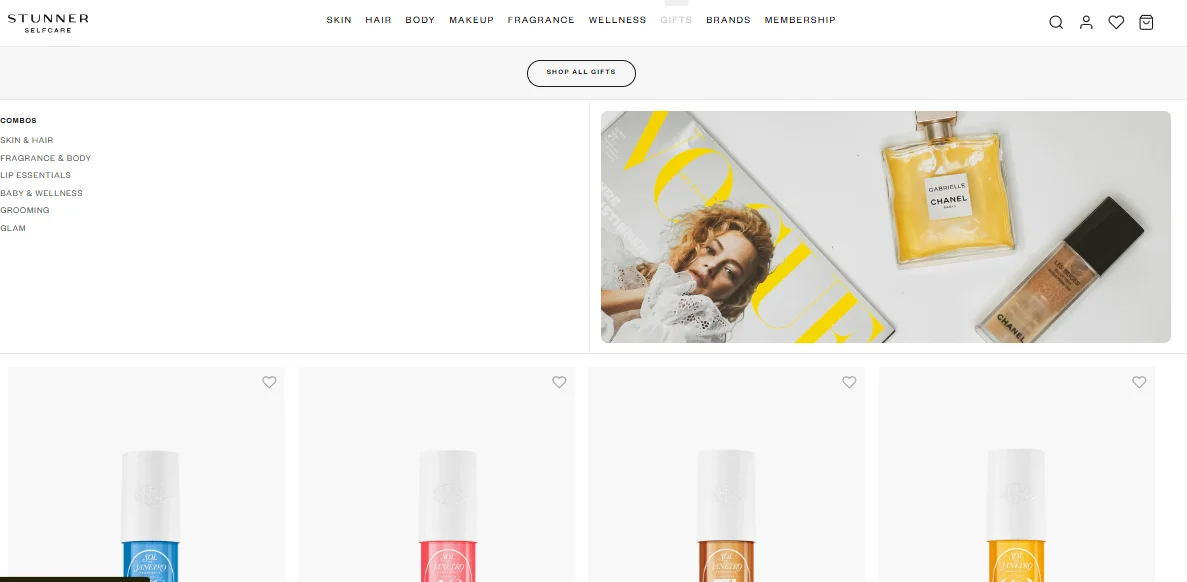
Skin, hair, body, makeup, fragrance, wellness and gifts, all under one structured navigation system.
60+
Subcategories
Granular filters that let shoppers go from a broad category to an exact product type in seconds.
12+
Brand Partners
International and Indian labels sold side by side, each one still reading as its own distinct brand.
1
Membership
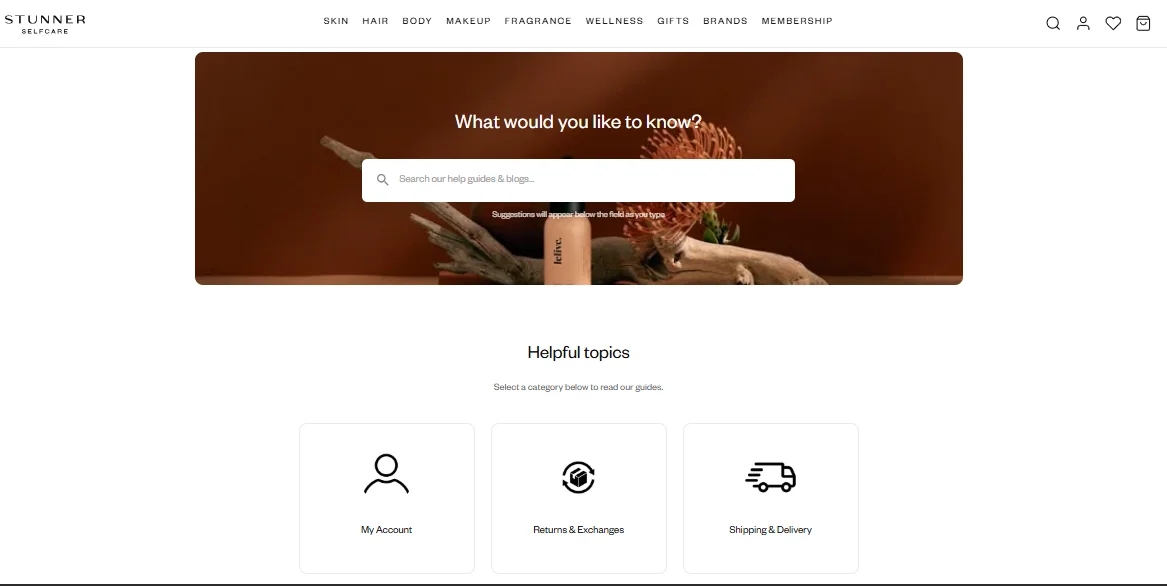
Tier A paid membership program tied to free delivery, meant to turn one-time buyers into repeat ones.
Project Info
Client
Confidential, India
Industry
eCommerce Solutions for Businesses
Use Case
Multi-brand beauty marketplace
Solution
Shopify storefront
Engagement
Fixed Cost
What Challenges Do Multi-Brand Beauty Retailers Face in Catalog Navigation?
None of this shows up all at once. A retailer adds brands to stay competitive, which forces more categories, which forces deeper subcategories, and somewhere along the way the store stops being browsable even though each individual product page still looks fine.
Category Sprawl
Skin, hair, body, makeup, fragrance and wellness each split into a dozen or more subcategories on their own. Flat navigation that works at a small scale simply doesn't hold once a catalog reaches this size.
Brand Fragmentation
Dozens of international and Indian labels sitting side by side need a structure that keeps each one legible. Skip that, and a Prada fragrance can end up looking interchangeable with something off a drugstore shelf.
Discovery Fatigue
Someone hunting for one specific product, an eye serum, a lip tint, gets lost inside a broad category if there's no fine way to filter down. Most of them leave before they find it.
Editorial vs Utility
A purely functional grid works fine for utility retail, but it undercuts the premium feel a self-care brand needs to justify its pricing. That kind of pricing needs a shopfront that actually looks the part.
A beauty store carrying a dozen brands across seven categories isn't short on products. It's short on a way to find them
What We Set Out to Build
This wasn't about adding features to an existing store. Stunner Selfcare needed a catalog structure sized for the brand range it already had, with merchandising and retention mechanics built in from the start rather than bolted on later.
Structure the Full Catalog
Organize skin, hair, body, makeup, fragrance, wellness and gifts into navigation that stays clear even as subcategories multiply into the dozens. Nobody should lose their place moving between levels.
Preserve Brand Identity
Make sure each of the twelve-plus brands on the platform reads clearly on product and collection pages, instead of blending into a generic grid just because it shares a category with others.
Build Editorial Merchandising
Create homepage collections that group products by theme and season rather than category alone, a magazine-style browsing layer sitting on top of the standard catalog.
Launch a Membership Program
Introduce a paid membership tier tied to free delivery, giving Stunner Selfcare a built-in way to turn first-time buyers into repeat ones.
Connect Direct Support
Add WhatsApp as a live support channel, so someone browsing an unfamiliar brand can get a quick answer before deciding to buy.
Turning a Wide Product Range into a Structured, Curated Storefront
Category structure, brand layering and merchandising logic were treated as one connected system from the start, not three separate add-ons stitched together after the fact.
Category Mapping
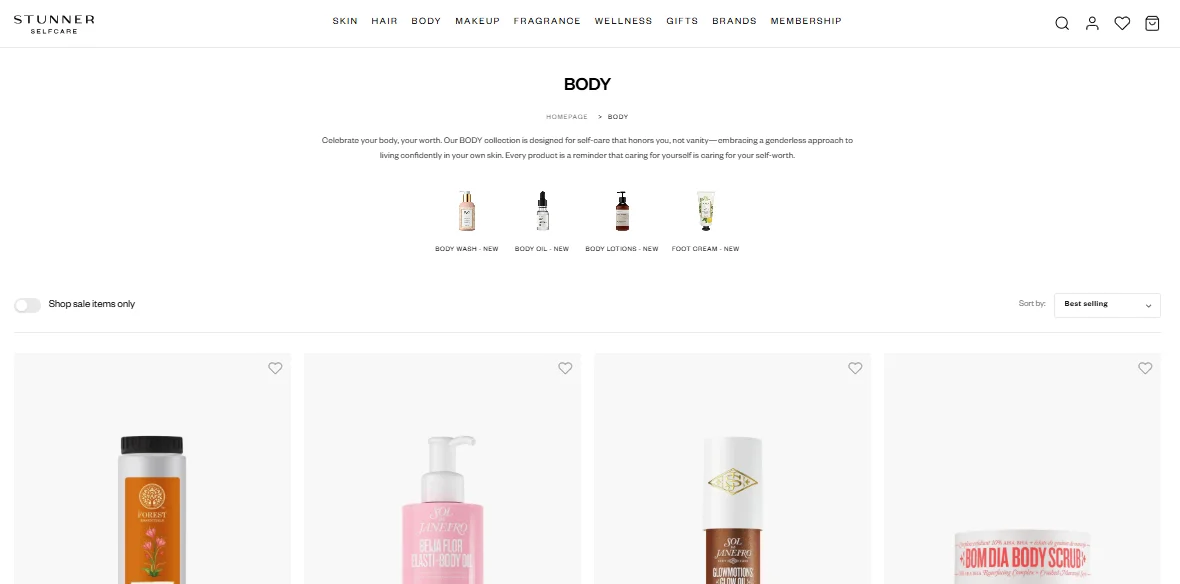
The full product range was split into seven primary categories: skin, hair, body, makeup, fragrance, wellness and gifts, each one built out into subcategories specific enough to keep something like eye peels from crowding a broader category like face gel.
Brand Layering
Twelve-plus brands, Prada and YSL, alongside Kama Ayurveda and Forest Essentials, were mapped into the catalogue so brand pages and filters stay distinct even when products from different labels sit inside the same category.
Editorial Collections
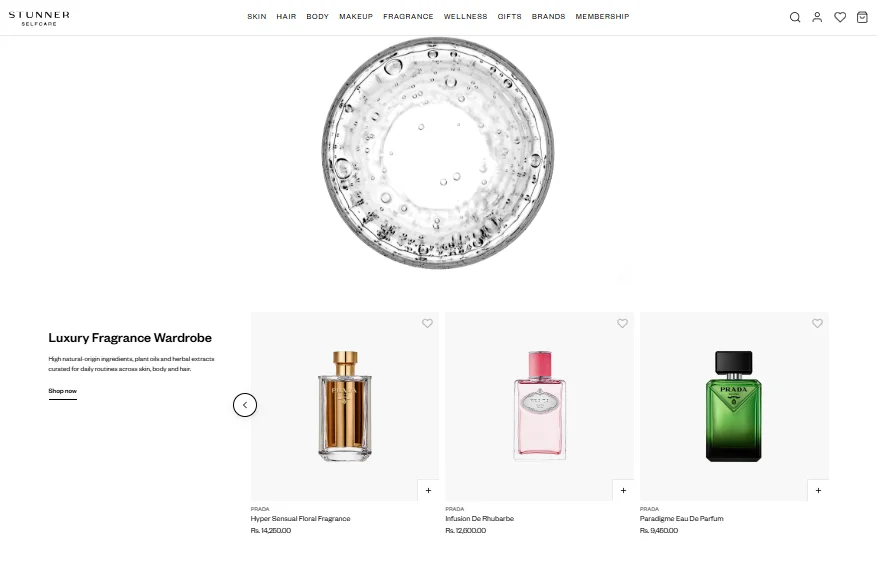
Homepage sections like Luxury Fragrance Wardrobe, Botanicals Edit and After Dark Essentials were built to surface curated groupings by theme and season instead of a static category grid.
Membership and Support Integration
A membership programme offering free delivery was connected to the shopfront, and WhatsApp live chat went in alongside it for direct support while people browsed.
QA, Catalog Testing and Launch
Every category, subcategory and collection page was checked for correct product mapping and filter behaviour before launch, confirming the structure held up under a full catalogue rather than a sample set.
What Makes This System Powerful
Highlight 01
Deep Category and Subcategory Architecture
Seven top-level categories branch into more than sixty subcategories, deep enough to separate something as specific as pimple patches from face gel without either one getting buried inside a broader skin category.
- Handles a large multi-brand SKU count cleanly
- Keeps niche products discoverable
- Scales without menu overload
Highlight 02
Curated Editorial Collections
Homepage merchandising groups products by theme, brand and moment instead of category alone. Sections like Botanicals Edit and After Dark Essentials rotate around seasonal focuses, giving the store a magazine-style browsing feel.
- Reinforces premium brand positioning
- Rotates with season and theme
- Drives cross-category discovery
Highlight 03
Multi-Brand Catalog Management
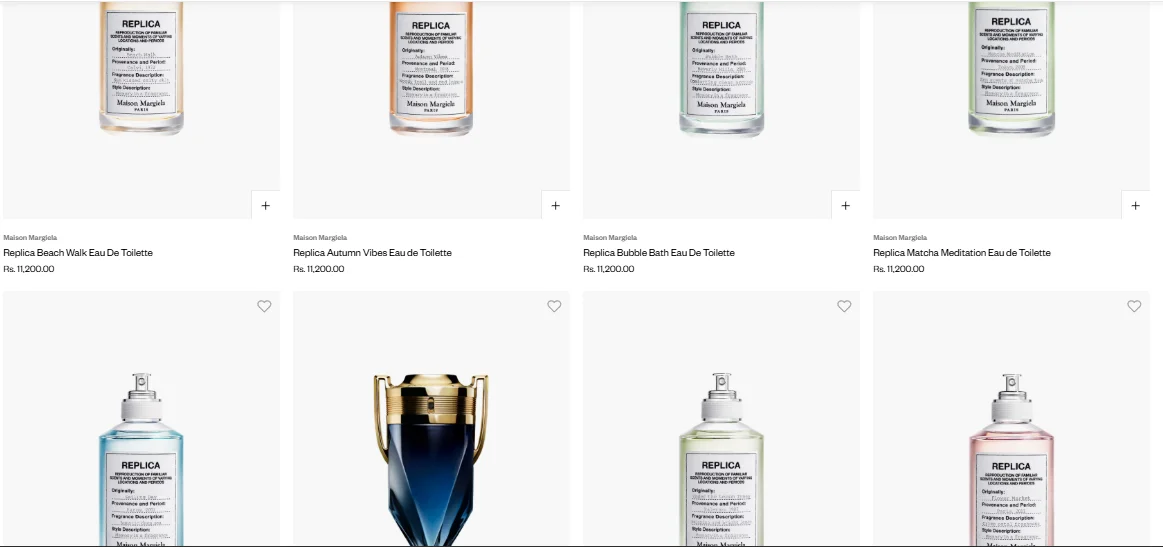
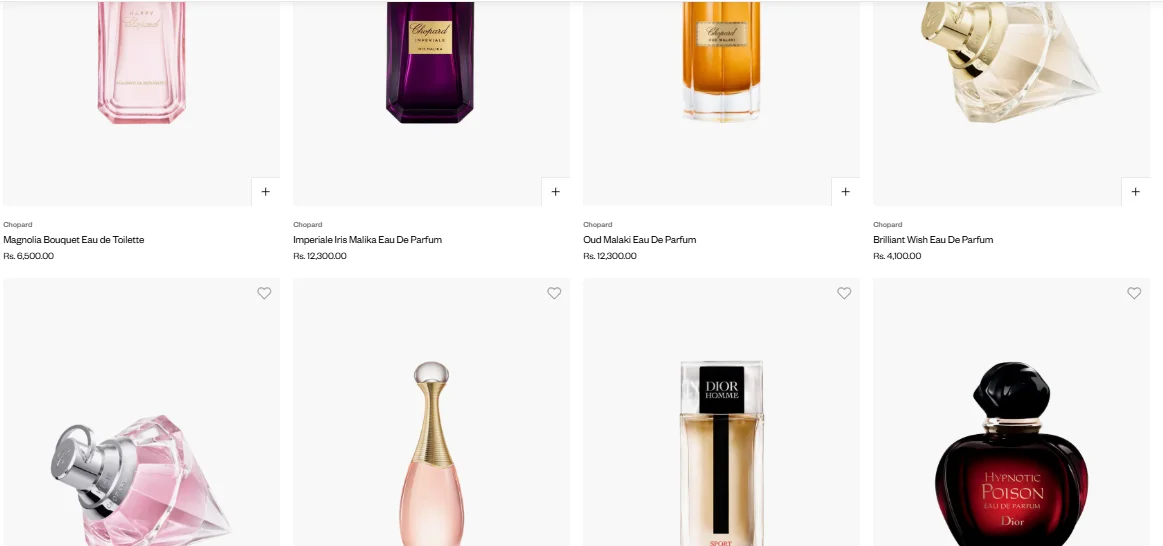
Product and collection pages keep brand identity intact even when items from different labels sit on the same category page. Someone browsing lipsticks can move between NARS, YSL and Charlotte Tilbury without the brand distinction getting lost.
- Preserves individual brand identity
- Supports a twelve-plus brand catalog
- Enables brand-specific landing pages
Highlight 04
Membership and Loyalty Layer
A paid membership tier sits on top of the standard storefront, offering free delivery as its main draw. It gives Stunner Selfcare a reason for people to come back instead of buying once and moving on.shopfront,
- Ties delivery perks to loyalty
- Encourages repeat purchase behavior
- Adds a recurring engagement lever
Key Challenges in Building a Multi-Brand Beauty Storefront
No single category or feature was the hard part on its own. Getting catalog depth, brand identity and editorial merchandising to hold together as one structure, instead of three systems bolted onto a standard theme, was.
Category Depth Without Clutter
A menu with sixty-plus subcategories under seven top-level categories could easily have gotten too dense to actually use.
Our Approach
Grouped subcategories under clear parent labels and kept mega-menu depth capped at two levels.
Preserving Brand Identity at Scale
Put twelve-plus brands on the same shelf, so to speak, and there's a real risk they blur into one generic product grid.
Our Approach
Built brand-specific collection pages and carried consistent tagging across the whole catalog.
Editorial Layout on a Commerce Platform
Standard Shopify grids weren't built for magazine-style curated collections, so that layer had to be added rather than assumed.
Our Approach
Customised homepage sections to support theme-led merchandising like Botanicals Edit.
Membership Logic Tied to Delivery
Free delivery only made sense inside an active paid membership, not applied storewide by default.
Our Approach
Connected membership status directly to delivery rules throughout the storefront.
What Changed After Implementation
A catalog this wide only works if the structure underneath it holds. Before this build, a store carrying a dozen-plus brands across seven categories had nothing sized for that scale. Now the same catalog runs on a navigation and merchandising layer built to grow with the brand list instead of straining against it.
Flat Navigation
no subcategory depth to speak of, which a multi-brand catalogue this size needs to stay browsable.
Blended Brand Identity
Products from different labels risked reading as one generic collection instead of distinct brands.
Grid-Only Merchandising
The homepage had nothing built for curated, theme-led collections beyond a standard product grid.
No Retention Mechanism
There wasn't a built-in loyalty or membership layer to bring anyone back.
Structured Category Architecture
seven core categories built out into sixty-plus subcategories for precise navigation.
Brand-Aware Catalog Tagging
consistent tagging plus dedicated collection pages to keep each label distinct.
Editorial Homepage Sections
theme-led collections like Botanicals Edit built directly into the storefront layout.
Membership and Delivery Integration
a paid membership tier connected to free delivery across the storefront.
Browsable at Scale
Shoppers move from a broad category to an exact product type without losing their place.
Distinct Brand Presence
each of the twelve-plus brands still holds its own identity even shown alongside others.
Curated Shopping Experience
homepage merchandising now reflects the premium, editorial feel the brand was after.
Built-In Loyalty Loop
the membership tier gives Stunner Selfcare a standing way to bring customers back, where before there wasn't one.
7 Categories Structured Depth
The full catalog now runs on a navigation system sized for what it actually holds.
12+ BrandsDistinct Identity
Multiple labels coexist on one storefront without losing individual presence.
1 Membership Tier Built-In Retention
A standing loyalty mechanism where there was none before.
Use Cases of Multi-Brand Storefronts in Beauty and Personal Care Retail
The same catalog and merchandising approach isn't specific to one retailer. Any beauty or wellness business selling multiple brands under one roof runs into this same tension between depth and curation.
Multi-Brand Wellness Marketplaces
Supplement, herbal and mineral brands sold together need the same category depth without losing individual brand identity.
Fragrance-Focused Boutiques
Perfume retailers carrying multiple houses can use editorial collections to group scents by mood or note family instead of a flat alphabetical list.
K-Beauty Specialty Stores
Skincare retailers with dense, ingredient-led catalogs benefit from the same subcategory structure used for face and eye care here.
Ayurvedic and Herbal Retail
Brands built around traditional formulations can use curated collections to explain ingredients and rituals instead of just listing products.
Membership-Led Beauty Subscriptions
Retailers testing a loyalty or subscription model can reuse the same membership-to delivery structure built for this store.
Gifting and Combo Retail
Seasonal gift sets and brand combos, already part of this catalog, extend naturally to other multi-category retailers.
Why Businesses Choose Akoode Technologies for eCommerce Solutions
Akoode works with retailers whose catalogues don't fit a default Shopify template, brands selling across many categories or suppliers that need real structure, not a theme installed and left alone.
Catalog Architecture Over Templates
A default Shopify theme handles a small, single-brand catalogue fine. Akoode built the category, subcategory and tagging structure specifically for a catalogue carrying a dozen- or more-plus brands across seven categories.
Editorial Merchandising Built In
Curated homepage collections that rotate by theme and season aren't a default Shopify feature. Akoode built that merchandising layer directly into the shopfront instead of requiring a separate content platform.
Membership and Retention Logic
Loyalty mechanics like a paid membership tier tied to delivery benefits need custom logic beyond stock Shopify functionality. Akoode connected this retention layer into the shopfront from launch.
Support Built Into the Buying Journey
Live chat through WhatsApp keeps customer questions inside the shopping flow instead of routing people to a separate contact page. Akoode put it where it actually cuts down hesitation, right at the product and collection level.